
Lead capture comparisons · 8 min read
Quote Request Form vs Givloh for Lead Magnets
A practical comparison for service businesses deciding whether a quote request form or Givloh should handle early lead magnet interest.
- A quote request form is useful when the visitor is ready to ask for pricing, but it can be too much commitment for early social traffic.
- Givloh is better for lead magnets because it delivers a useful resource first and captures the email before the visitor is ready for a full quote.
- Many service businesses should use both: Givloh for the first download, then a quote request form for warmer leads.
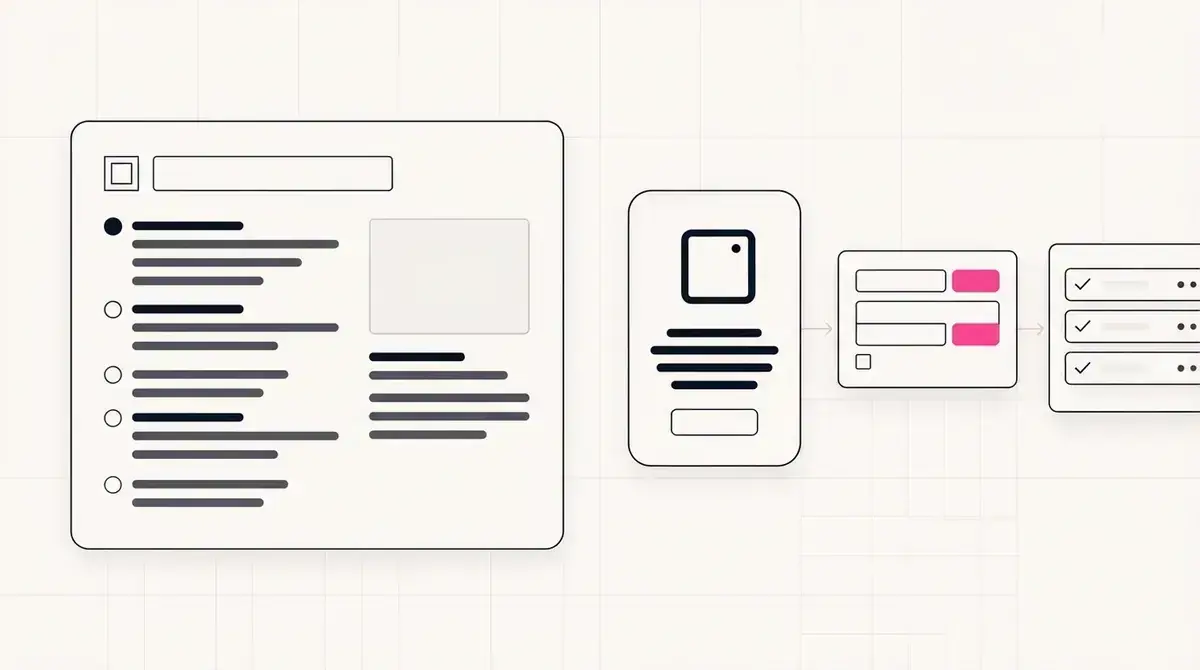
Decide whether the visitor is ready for a quote
A quote request form asks for job details, timing, contact information, and sometimes budget. That is appropriate when the visitor already knows they want pricing. It is less useful when the person is still learning what to ask or what information affects the estimate.
A lead magnet handles that earlier moment. The person downloads a checklist, template, guide, or preparation worksheet first. The business captures a lead without forcing a full quote conversation too soon.
For the guide version of this workflow, read how to turn a quote request form into a lead magnet.
Use a quote request form when
- The visitor is asking for pricing now.
- The business needs job details before responding.
- The request can be triaged quickly by service type or location.
- The next step is a quote, survey, or consultation.
Use Givloh when the resource comes first
If the social post or profile update promises a checklist, guide, template, or prep sheet, the visitor expects the resource. Givloh hosts the page, gates the download behind email, delivers the file, and stores the lead.
That makes the first step lighter than a full quote request. It also gives the business a follow-up reason: the person downloaded a specific resource and may need help applying it.
For an example resource, see the solar consultation prep checklist.
A quote form captures ready buyers. A lead magnet captures people who are still preparing to become ready.
Givloh editorial note
Side-by-side comparison
| Need | Quote request form | Givloh |
|---|---|---|
| Collect detailed job information | Strong fit | Better after download |
| Deliver a checklist or guide | Requires another tool | Built in |
| Capture early social interest | Often too much commitment | Built for this |
| Follow up based on resource topic | Requires tagging or notes | Built around the download |
| Replace Drive, email gate, and landing page setup | Usually no | Yes |
Practical decision
- Use Givloh when the visitor wants a resource first.
- Use the quote form when the visitor is ready to provide job details.
- Link from the Givloh follow-up to the quote form when appropriate.
- Do not make a full quote request the only option from a helpful social post.
How to connect both without adding friction
The cleanest workflow is sequential. A social post points to a Givloh resource. The visitor downloads the file and joins the lead list. The first follow-up offers the quote request form only when it is a natural next step.
This keeps cold or early traffic from bouncing while still giving ready prospects a direct path to pricing.
For a related comparison, see booking page vs Givloh for lead magnets.
Recommended workflow
- Choose the resource that prepares the prospect.
- Publish the resource through Givloh.
- Capture the email before delivery.
- Send a follow-up that helps the lead apply the resource.
- Offer the quote request form when they are ready for pricing.
Use this as the starting checklist
- Use quote forms for ready-to-price enquiries.
- Use Givloh for early resource downloads.
- Do not force detailed job fields before delivering a promised checklist.
- Put the quote request link in the follow-up or resource next step.
- Review downloads and quote requests as separate signals.
References and useful next reading
Givloh
Turn the resource into a lead capture page.
Upload a guide, checklist, template, or tool. Share one link. Capture the email before the download. No Mailchimp, Zapier, Drive permissions, or landing page builder.
Try Givloh freeFAQ
Is a quote request form a lead magnet?
Not usually. A quote request form captures pricing enquiries, while a lead magnet gives the visitor a useful resource before they are ready to request a quote.
Should Givloh replace a quote request form?
Not necessarily. Givloh can sit before the quote form by capturing early resource interest and sending warmer leads to the quote form later.
Which is better for social bio links?
If the social content promises a checklist or guide, Givloh is usually the better first link. If the post asks people to request pricing, a quote form may be right.