
Tool comparisons · 8 min read
Substack vs Givloh for Lead Magnets
A plain-English comparison of Substack and Givloh for service businesses deciding between a newsletter-first audience tool and an email-gated resource page.
- Substack is built around publishing and subscriber relationships. It can be useful when a service business wants an ongoing newsletter.
- Givloh is narrower: it is built to publish one lead magnet page, capture an email, deliver the file, and show which resource created the lead.
- Use Substack for ongoing publishing. Use Givloh when the immediate job is email-gated file delivery from a social bio link, referral link, or QR code.
The practical difference
Substack and Givloh both involve email, but they solve different jobs. Substack is a publishing platform for newsletters, posts, podcasts, and subscriber relationships. Givloh is a focused lead magnet system for service businesses.
If a business wants to publish regular essays, updates, commentary, or paid newsletter content, a newsletter platform can make sense. The core job is ongoing publishing.
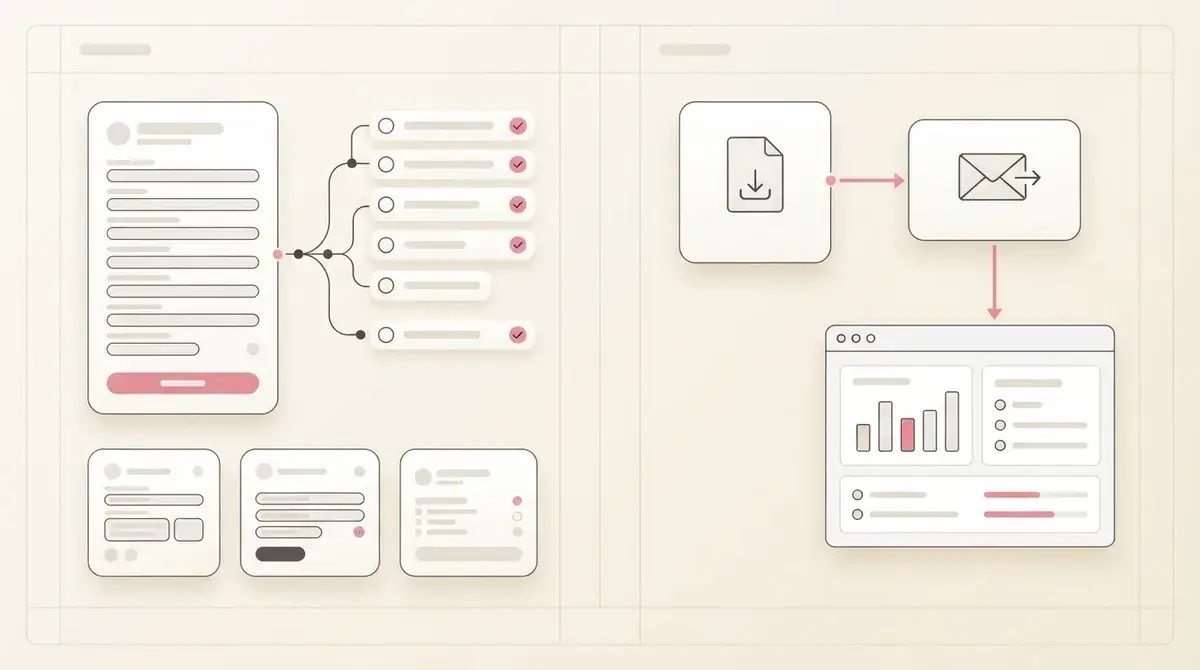
If the business has a checklist, guide, worksheet, template, or tool and wants to capture an email before delivering the file, the core job is lead magnet delivery. That needs a page, an email gate, file delivery, and a lead list tied to the resource requested.
The job behind a lead magnet
- Explain one resource clearly on a public page.
- Ask for a short email capture before download.
- Deliver the file automatically.
- Store the lead with the resource requested.
- Give the business one link for social, referral, QR, and email channels.
Where Substack can be the better fit
Substack can be useful when the business wants an ongoing publication. A consultant might write a weekly market note. A coach might send regular reflections. A specialist firm might publish analysis for subscribers.
Substack support describes help for publishing, payments, podcasts, video, and related newsletter workflows. That is useful when the content program itself is the product or relationship channel.
For a service business that already has the appetite to write regularly, a newsletter can support trust over time.
Choose Substack when
- The business wants to publish regular posts or newsletters.
- The audience relationship depends on ongoing content, not only one download.
- The team is comfortable maintaining a publishing rhythm.
- The resource is part of a broader subscriber strategy.
- The business is not mainly trying to deliver one gated file from a bio link.
Where Givloh is simpler
Many service businesses do not need a newsletter before they have proven that social traffic can create leads. They need one useful resource, one page, one email form, and one dashboard showing who requested it.
Givloh is built for that narrower job. Upload the resource, publish the page, share one link, capture the email before download, and see the lead in the dashboard.
For similar content-hosting decisions, read Notion vs Givloh for lead magnet pages and PDF download page vs Givloh for lead magnets.
A newsletter asks for an ongoing publishing habit. A lead magnet asks for one useful resource and a clean follow-up path.
Givloh editorial note
How to choose
Choose Substack if the business wants to build a publication and has something useful to send on a regular basis. That can work for expert-led businesses that already know their content rhythm.
Choose Givloh if the business wants to test a practical resource from Instagram, LinkedIn, Facebook, Google Business Profile, referral emails, or QR codes without adding a publishing workload.
The decision is not really email versus email. It is ongoing publication versus email-gated resource delivery.
Choose Givloh when
- The offer is one checklist, guide, worksheet, template, or planner.
- The visitor should request the resource before receiving the file.
- The business wants to know which resource created the lead.
- The link needs to work from a social bio, QR code, referral email, or local post.
- The owner wants to publish today without committing to a newsletter schedule.
Use this as the starting checklist
- Use Substack when the main job is ongoing publishing and subscriber communication.
- Use Givloh when the main job is email-gated resource delivery.
- Check whether the business actually wants a publishing habit or one lead capture page.
- Keep the first service-business lead magnet focused on one resource.
- Choose the tool that matches the job the owner can maintain.
References and useful next reading
Givloh
Turn the resource into a lead capture page.
Upload a guide, checklist, template, or tool. Share one link. Capture the email before the download. No Mailchimp, Zapier, Drive permissions, or landing page builder.
Try Givloh freeFAQ
Can Substack be used for lead magnets?
It can support audience building and publishing, but it is not mainly built as a simple lead magnet delivery system for one gated checklist, guide, worksheet, or template.
Does Givloh replace Substack?
No. Givloh is focused on one workflow: publish a lead magnet page, capture the email, deliver the file, and show which resource created the lead.
Which is simpler for a first service-business lead magnet?
Givloh is usually simpler when the business wants to publish one email-gated resource quickly. Substack may fit better when the business wants an ongoing newsletter or publication.