
Lead magnet strategy · 8 min read
How to Turn a Care Needs Checklist Into a Lead Magnet
A practical guide for home care agencies that want a cautious, useful checklist to capture family enquiries from social media.
- A care needs checklist works when it helps families prepare for a conversation with a home care agency, not when it tries to assess care needs by itself.
- The checklist should cover daily routines, safety concerns, existing support, questions for the agency, and documents to gather before a consultation.
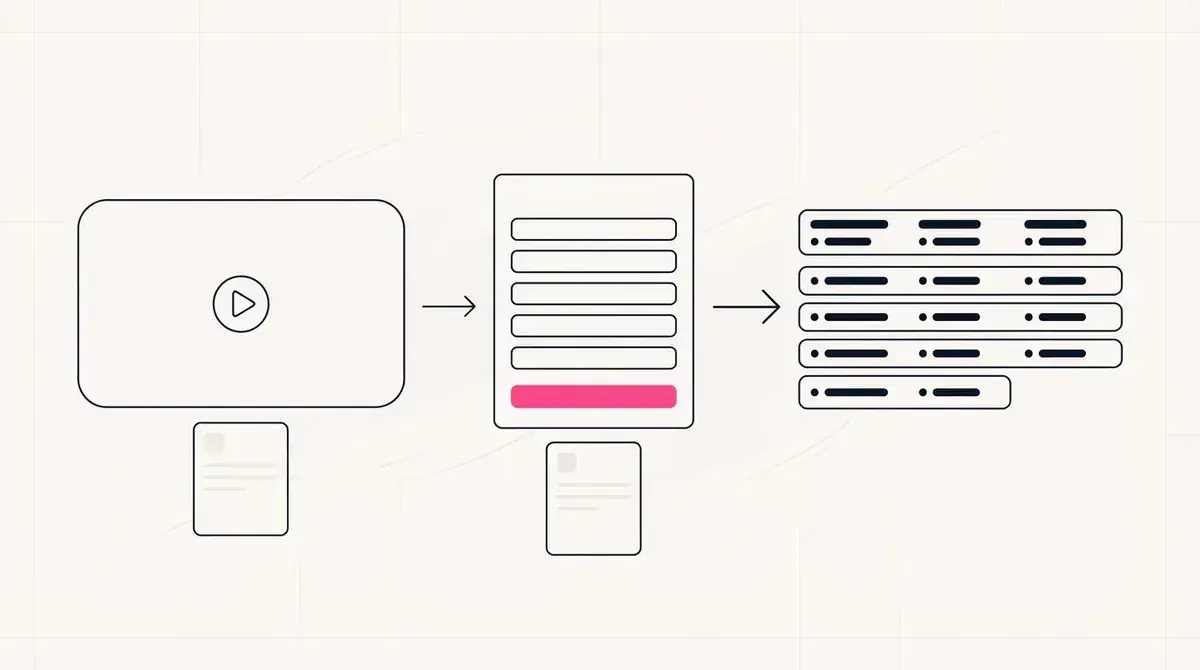
- Givloh can host the checklist, capture the email before delivery, and give the agency a lead list it can follow up with carefully.
Keep the promise careful
A care needs checklist is not a diagnosis, assessment, or replacement for professional advice. Its job is narrower: help a family prepare for a first conversation with a home care agency.
That careful promise still has value. Families often start with scattered concerns about daily routines, medication prompts, falls, meals, appointments, loneliness, respite, and whether help at home is the right next step.
The checklist should make those concerns easier to organise before the enquiry. For a service-specific example, see the free home care consultation checklist.
Good checklist boundaries
- Help the family gather context before they speak to the agency.
- Avoid medical advice, diagnosis, urgency scoring, or eligibility claims.
- Point people to emergency or public support routes where appropriate.
- Make privacy expectations clear before asking for sensitive details.
- Invite a consultation rather than pushing a hard sell.
Build it around the first call
The strongest checklist mirrors the first care enquiry call. It helps the family write down who needs support, what daily tasks are difficult, what help already exists, who is involved in decisions, and what timeline they are working toward.
Keep each prompt plain. A daughter researching support for a parent should be able to complete the checklist without knowing care-sector terminology.
If the agency serves several situations, start with one checklist for help at home before creating separate versions for respite, post-hospital support, companionship, or live-in care.
Simple build process
- List the questions the agency already asks on a first enquiry call.
- Remove anything that is too sensitive for a first download.
- Group the checklist into routine, safety, support, timing, and questions.
- Add a calm next step for booking or requesting a consultation.
- Upload the PDF to Givloh and share the gated link from social profiles.
Use the checklist to start a better conversation
A care lead magnet should not make families feel they are being pushed through a funnel. It should make the first conversation clearer and less stressful.
The follow-up can ask one practical question: are you exploring help at home now, gathering options for later, or supporting someone after a recent change?
For broader list-building structure, use the home care agency email list building guide.
In home care, the lead magnet earns trust by reducing confusion before the first conversation.
Givloh editorial note
Make social posts specific
The posts that promote the checklist should name real situations: not sure what to ask before arranging help at home, worried about a parent's daily routine, preparing for a care conversation after a hospital stay, or comparing local agencies.
Avoid fear-based hooks. Families may already be stressed. Useful, steady language is more appropriate for this market.
A focused resource page also works better than sending families to a generic booking page. For that decision, see booking page vs Givloh for lead magnets.
Useful promotion angles
- Questions to ask before speaking to a home care agency.
- What to write down before a care consultation.
- How to prepare when several family members are involved.
- What daily routine details help an agency understand the situation.
- When a checklist is enough and when a direct call is better.
Use this as the starting checklist
- Frame the resource as preparation, not assessment.
- Use plain family-facing language.
- Avoid sensitive data collection at first download.
- Add routes to public information where appropriate.
- Follow up with one calm question about timing and needs.
References and useful next reading
Givloh
Turn the resource into a lead capture page.
Upload a guide, checklist, template, or tool. Share one link. Capture the email before the download. No Mailchimp, Zapier, Drive permissions, or landing page builder.
Try Givloh freeFAQ
Can a care needs checklist be a lead magnet?
Yes, if it helps families prepare for a conversation and avoids acting like a medical, care, or eligibility assessment.
What should a home care checklist include?
It can include daily routines, safety concerns, existing support, decision-makers, questions for the agency, and practical notes for the first call.
Should a care agency ask for detailed health information before download?
Usually not. Keep the first gate light, then handle sensitive details through an appropriate consultation process.