
Lead magnet strategy · 8 min read
How to Turn a Service Comparison Guide Into a Lead Magnet
A practical guide for service businesses that want to turn buying criteria, vendor comparisons, or option explainers into email-gated lead magnets.
- A service comparison guide helps prospects understand their options before they are ready to book a call.
- The useful angle is not 'why we are best'. It is a plain checklist of what to compare, what to ask, and what warning signs to watch for.
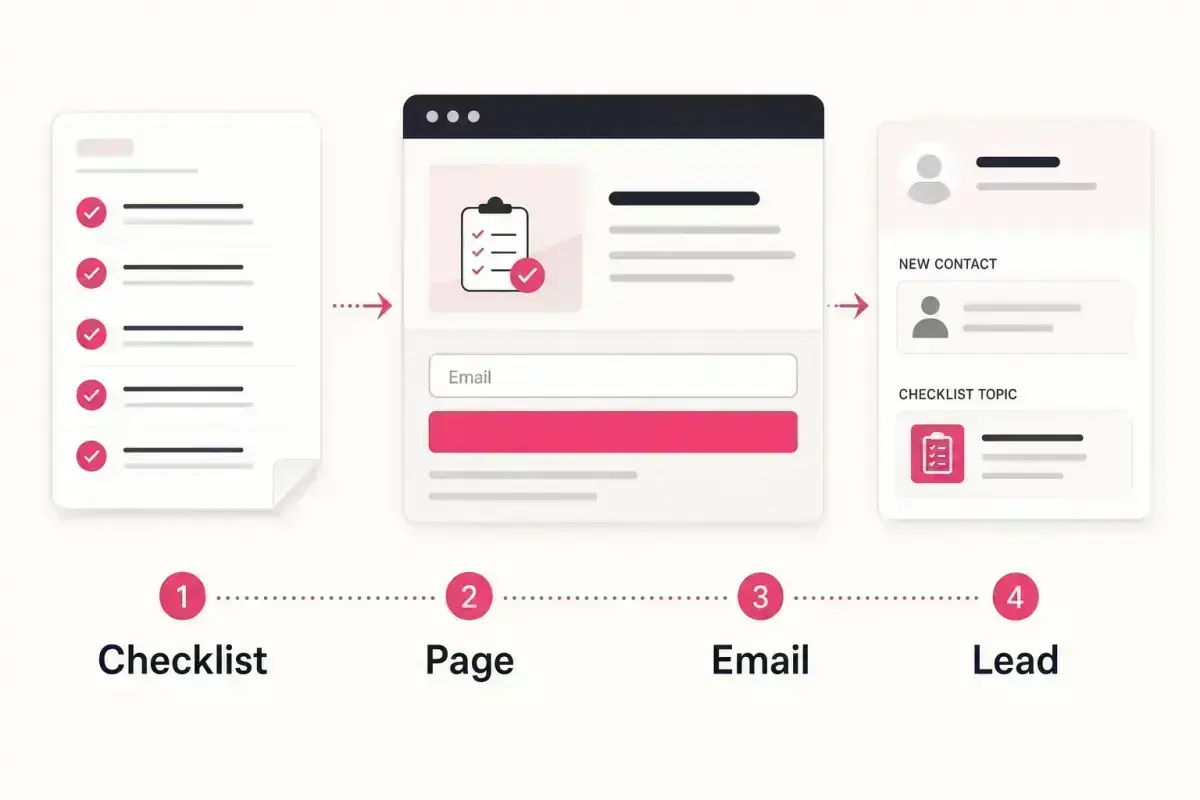
- Givloh turns that guide into a simple email-gated page the business can share from its bio link, email signature, QR code, or social post.
Start with the decision your buyer is already making
Many service buyers are not comparing brands at first. They are comparing routes: repair or replace, fixed fee or hourly, local specialist or larger firm, in-person visit or remote assessment, basic package or managed service.
A comparison guide works because it meets that moment without forcing an immediate sales conversation. The business helps the prospect understand the decision, then earns permission to follow up.
This is different from a brochure. A brochure talks about the company. A comparison guide helps the buyer avoid a poor decision.
Good comparison-guide topics
- Repair vs replacement for a home service job.
- DIY template vs professional advice for a regulated service.
- One-off clean vs recurring maintenance plan.
- Website refresh vs full rebuild for a web design enquiry.
- Fixed-price package vs bespoke proposal for a consultant.
Make the guide useful, not self-serving
A service comparison guide should explain tradeoffs clearly. It can say when the business is a good fit, but it should also say when another option may be enough.
That restraint is what makes the guide believable. A prospect who sees fair criteria is more likely to trust the follow-up because the business has already helped them think.
For another guide-format example, see how to turn a pricing guide into a lead magnet.
The comparison guide should help the buyer choose well before it asks them to choose you.
Givloh editorial note
Use a simple guide structure
The best comparison guides are short enough to finish in one sitting. A service business does not need a long whitepaper. It needs a practical document that makes the next conversation easier.
A strong structure is: the decision, the options, when each option makes sense, questions to ask before buying, warning signs, and the next step if the reader wants help.
Keep claims cautious. If you mention standards, rules, warranties, or platform requirements, link to an official source or avoid the claim.
One-page comparison guide outline
- Name the decision the reader is trying to make.
- Explain the main options in plain language.
- Show when each option is usually a better fit.
- List questions to ask before paying or booking.
- End with a low-pressure next step: request a quote, book a consultation, or send details.
Turn the guide into a lead capture page
Once the guide exists, do not bury it inside a blog post or open file link. Put it behind a short email form and deliver it automatically.
That gives the service business a lead list segmented by interest. Someone who downloads a repair-vs-replacement guide needs a different follow-up from someone who downloads a maintenance checklist.
Givloh handles the page, email gate, file delivery, and lead list in one place. The business can share one link from Instagram, LinkedIn, Facebook, Google Business Profile, printed cards, and email signatures.
Follow-up ideas after download
- Ask which option they are leaning toward.
- Invite them to send photos, dates, scope, or context.
- Offer a short assessment call.
- Point them to a related checklist or prep sheet.
- Tag the lead by the decision they are making.
Use this as the starting checklist
- Choose one buying decision customers already ask about.
- Write fair criteria instead of a disguised sales pitch.
- Include questions, warning signs, and a clear next step.
- Gate the guide behind a short email form in Givloh.
- Follow up based on the option the reader is comparing.
References and useful next reading
Givloh
Turn the resource into a lead capture page.
Upload a guide, checklist, template, or tool. Share one link. Capture the email before the download. No Mailchimp, Zapier, Drive permissions, or landing page builder.
Try Givloh freeFAQ
What is a service comparison guide?
It is a short resource that helps prospects compare routes, packages, providers, or service options before they decide what to book.
Should a comparison guide promote the business heavily?
No. It should explain tradeoffs fairly. The business earns trust by helping the reader make a better decision.
Why gate a comparison guide behind an email form?
The guide signals buying intent. Capturing the email lets the business follow up with a useful next step instead of losing the visitor after download.