
Lead magnet strategy · 8 min read
How to Turn a Site Visit Preparation Checklist Into a Lead Magnet
A practical guide for quote-led service businesses that want to turn site visit preparation into a useful lead magnet and a better first enquiry.
- A site visit preparation checklist helps a potential customer gather the details a service business needs before an assessment, consultation, survey, or quote.
- The strongest version covers customer preparation only: access, photos, measurements, priorities, constraints, and questions. It does not replace the business's own technical or safety assessment.
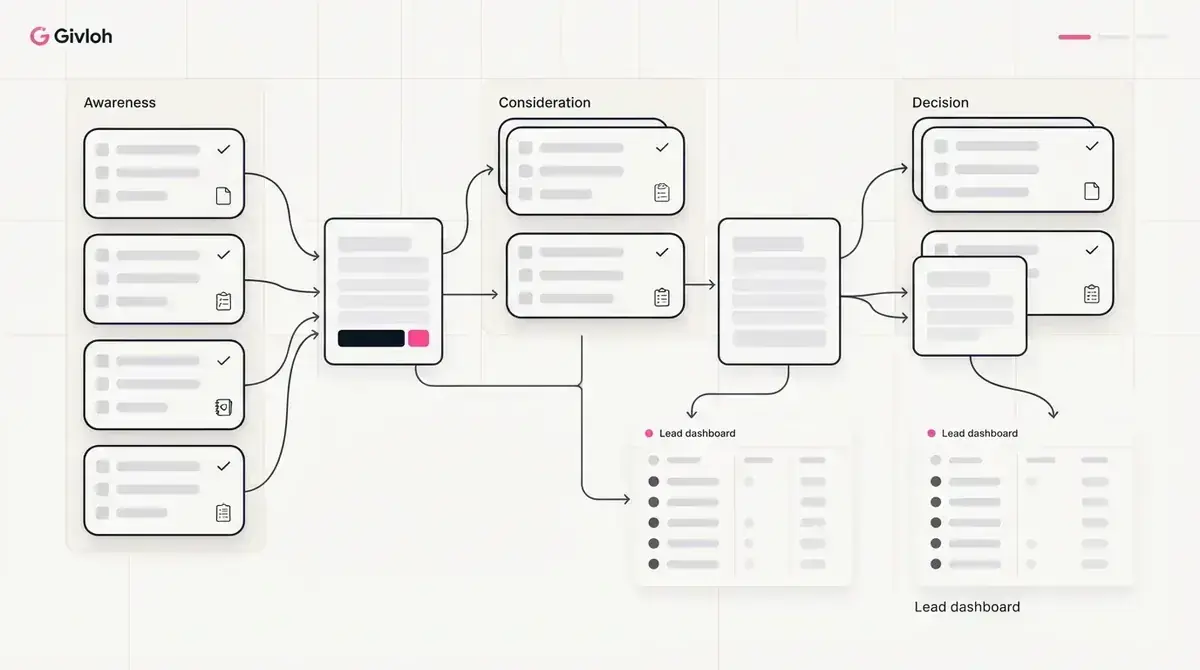
- With Givloh, the business can share one checklist link, capture the email before download, deliver the file automatically, and follow up with a more informed enquiry.
Choose a visit that repeatedly starts with missing information
A useful site visit checklist begins with a real operational problem. The customer forgets access details, cannot explain the affected area, has no measurements, or has not decided who needs to attend the appointment.
That creates avoidable back-and-forth for roofers, kitchen fitters, landscapers, cleaners, security installers, surveyors, interior designers, and other quote-led service businesses. A short preparation sheet helps the customer arrive ready and helps the business judge the next step.
If the same questions appear in every enquiry, pair this approach with how to turn customer FAQs into a lead magnet.
Good checklist inputs
- The area, room, system, or problem the customer wants assessed.
- Safe ground-level photos or existing plans where appropriate.
- Access restrictions, parking notes, pets, tenants, or opening hours.
- Known deadlines, budget stage, and decision-makers.
- Questions the customer wants answered during the visit.
Keep customer preparation separate from professional assessment
The checklist should help the customer organise information. It should not ask them to inspect hazards, climb ladders, open equipment, diagnose faults, or make technical judgments they are not qualified to make.
For work involving construction, roofs, electrics, gas, health, or other regulated areas, the service provider still needs its own competent assessment and safe working process. Official Health and Safety Executive guidance is the right boundary for workplace risk decisions in the UK.
Use a plain instruction such as: only provide information you can gather safely, and leave technical inspection to the attending professional.
A customer checklist should improve the briefing. It should never transfer professional risk assessment to the customer.
Givloh editorial note
Build a checklist that improves the first conversation
A long intake form can feel like work before the customer knows whether the service is right for them. A downloadable checklist is lighter: it explains what to prepare and lets the person complete it in their own time.
Keep the resource to one or two pages. Group items by access, project context, practical constraints, and questions. Leave room for notes, but avoid collecting sensitive information that is not needed at this stage.
For a broader qualification framework, read how to use a lead magnet to qualify service enquiries.
Simple checklist structure
- Explain what the visit will cover.
- List the information the customer can gather safely.
- Add access and attendance reminders.
- Give the customer space to record priorities and questions.
- End with the next step for requesting or confirming a visit.
Share it before the quote request becomes urgent
The checklist can sit in an Instagram or Facebook bio, Google Business Profile post, email signature, quote acknowledgement, partner referral, or QR code on printed material.
Givloh gives the resource one hosted page. The customer enters an email, receives the file automatically, and the business can follow up by asking what kind of visit they are preparing for.
Keep any marketing permission separate and clear. Someone requesting a checklist should receive that checklist; additional promotional email should follow the rules that apply to the business and recipient.
Useful follow-up questions
- What would you like the visit to help you decide?
- Is the issue urgent, planned, or exploratory?
- Who needs to be present for access or approval?
- Do you already have plans, photos, or previous reports?
- Would you like help choosing the right appointment type?
Use this as the starting checklist
- Choose a visit type with repeat preparation gaps.
- Ask only for information the customer can gather safely.
- Keep technical and safety assessment with the qualified service provider.
- Make the resource short enough to use before a real appointment.
- Use one Givloh link to capture, deliver, and identify the enquiry topic.
References and useful next reading
Givloh
Turn the resource into a lead capture page.
Upload a guide, checklist, template, or tool. Share one link. Capture the email before the download. No Mailchimp, Zapier, Drive permissions, or landing page builder.
Try Givloh freeFAQ
What should a site visit preparation checklist include?
It can include the customer's goal, safe photos or plans, access notes, relevant measurements, practical constraints, decision-makers, deadlines, and questions for the professional.
Should the customer carry out an inspection before the site visit?
No. Ask only for information the customer can gather safely. Technical inspection, hazard assessment, and regulated work should remain with a competent professional.
How does a site visit checklist generate leads?
The business offers the checklist from social, search, referral, or print channels, captures the email before delivery, and follows up about the visit the person is preparing for.