
Facebook lead generation · 8 min read
Facebook Lead Magnet Strategy for Veterinary Clinics
A cautious Facebook lead magnet strategy for veterinary clinics using appointment prep guides, pet care checklists, and clear follow-up workflows.
- Veterinary clinics can use Facebook to share practical pet-owner resources that lead into appointment conversations, not generic promotional posts.
- Good resources include new pet visit prep, dental care questions, vaccination appointment prep, travel paperwork checklists, and senior pet appointment notes.
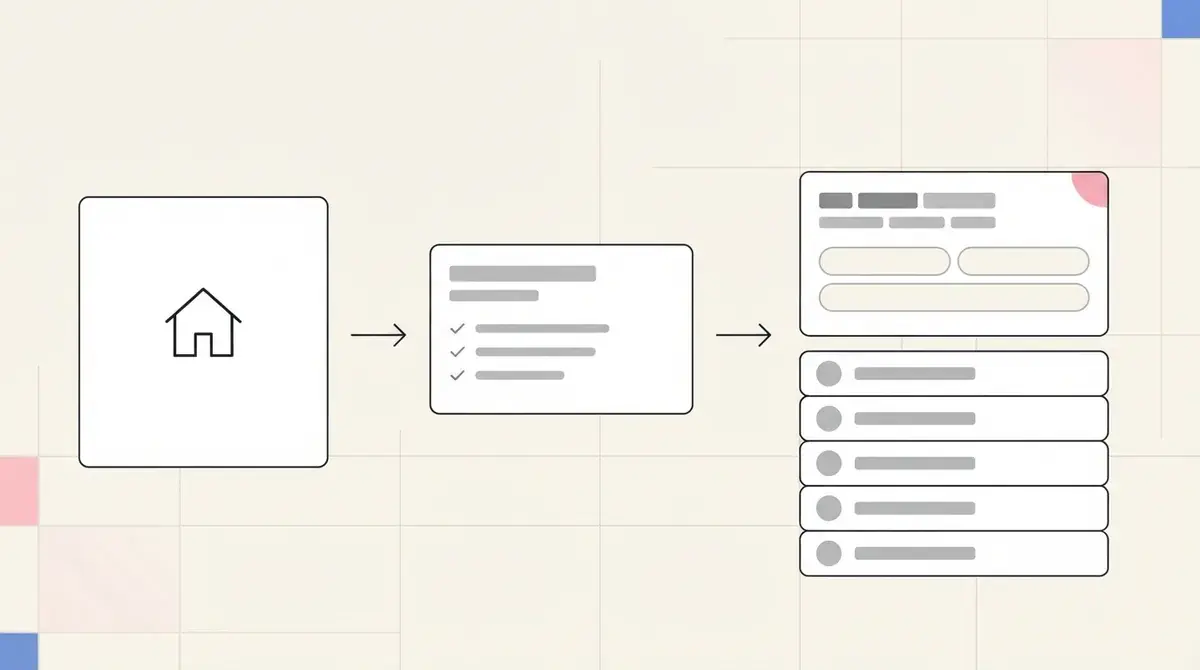
- Givloh turns the Facebook link into a hosted resource page, captures the email before delivery, and gives the clinic context for careful follow-up.
Use Facebook for practical pet-owner moments
Facebook can still be useful for local clinics because pet owners often follow community pages, local recommendations, and practice updates. The mistake is treating every post as a booking prompt. A lead magnet gives the reader a reason to save, click, and ask for help.
For veterinary clinics, the strongest topics are appointment preparation and responsible care conversations. The resource should help the owner prepare notes for the clinic, not diagnose the pet or replace veterinary advice.
The existing free pet visit prep checklist for veterinary clinics is a natural first resource for this channel.
Good Facebook resource ideas
- New pet first visit preparation checklist.
- Senior pet appointment questions sheet.
- Dental care conversation checklist.
- Vaccination appointment prep guide.
- Travel paperwork preparation list for pet owners.
Keep clinical boundaries clear
A veterinary lead magnet should not encourage diagnosis from a downloadable checklist. It can help the owner record symptoms, dates, behaviour changes, diet notes, medication information, or questions for the appointment.
Use plain disclaimers where appropriate: if the pet seems unwell or urgent symptoms appear, the owner should contact a veterinary professional through the clinic's normal advice route. The resource is for preparation, not triage.
Public pet-owner resources from organisations such as the American Veterinary Medical Association can help clinics think about responsible education topics without turning the resource into medical advice.
A veterinary lead magnet should make the appointment more useful, not move clinical judgement into a PDF.
Givloh editorial note
Turn posts into one reusable capture link
The clinic can share the same Givloh link from Facebook posts, Facebook Page buttons, pinned updates, community group replies where allowed, reception QR codes, puppy pack emails, and local partner messages.
A useful post might say: "New puppy at home? Download our first visit checklist before your appointment." The offer is specific, useful, and tied to a real next step.
For broader social systems, connect this with how to build a lead magnet library for a service business so each recurring pet-owner question has its own resource.
Simple Facebook workflow
- Pick one pet-owner preparation moment.
- Write a cautious checklist that supports a veterinary appointment.
- Upload the resource to Givloh and publish the capture page.
- Share the link from Facebook posts, Page areas, QR codes, and local partners.
- Follow up by appointment topic, urgency route, pet type, and preferred contact method.
Follow up by appointment context
A vaccination checklist download, senior pet checklist download, and new pet visit checklist download should not receive the same reply. Each one tells the clinic what the owner is thinking about.
The first follow-up can ask whether the owner wants help booking, whether the matter is urgent, and which normal clinic route they should use if they need clinical advice. Keep it service-led and careful.
Givloh fits because the clinic gets the email and the resource context without building a separate landing page, file host, form, and spreadsheet workflow.
Useful clinic lead segments
- New pet, senior pet, dental care, vaccination, travel, or general appointment prep.
- Dog, cat, small animal, or other pet type if the clinic collects it appropriately.
- Routine booking interest or urgent advice route.
- Preferred branch, appointment window, and contact method.
- Existing client, new client, or local partner referral.
Use this as the starting checklist
- Choose a pet-owner preparation topic, not a generic clinic brochure.
- Make clear that the resource supports, but does not replace, veterinary advice.
- Use one Givloh page for Facebook posts, Page areas, QR codes, and local partners.
- Segment follow-up by resource topic and appropriate clinic route.
- Avoid using Facebook posts to create medical urgency or unsupported claims.
References and useful next reading
Givloh
Turn the resource into a lead capture page.
Upload a guide, checklist, template, or tool. Share one link. Capture the email before the download. No Mailchimp, Zapier, Drive permissions, or landing page builder.
Try Givloh freeFAQ
What lead magnet should a veterinary clinic share on Facebook?
A new pet visit checklist, senior pet appointment questions sheet, vaccination appointment prep guide, dental care conversation checklist, or travel paperwork preparation list can work well.
Should veterinary Facebook lead magnets give medical advice?
No. They should help owners prepare notes and questions for the clinic. Clinical concerns should go through the clinic's normal advice and appointment routes.
How can a veterinary clinic follow up after a Facebook checklist download?
Mention the resource, ask whether the owner wants help booking, confirm the appropriate clinic route for urgent concerns, and use the downloaded topic as context for the reply.