
Lead magnet strategy · 8 min read
How to Turn a Client Onboarding Pack Into a Lead Magnet
A practical guide for service businesses that want to repurpose onboarding checklists, welcome packs, and preparation notes into email-gated lead magnets.
- A client onboarding pack can become a strong lead magnet when it helps prospects prepare before they are ready to buy.
- Use only the parts that are useful before the sale: readiness checklists, document lists, timelines, decision questions, and preparation notes.
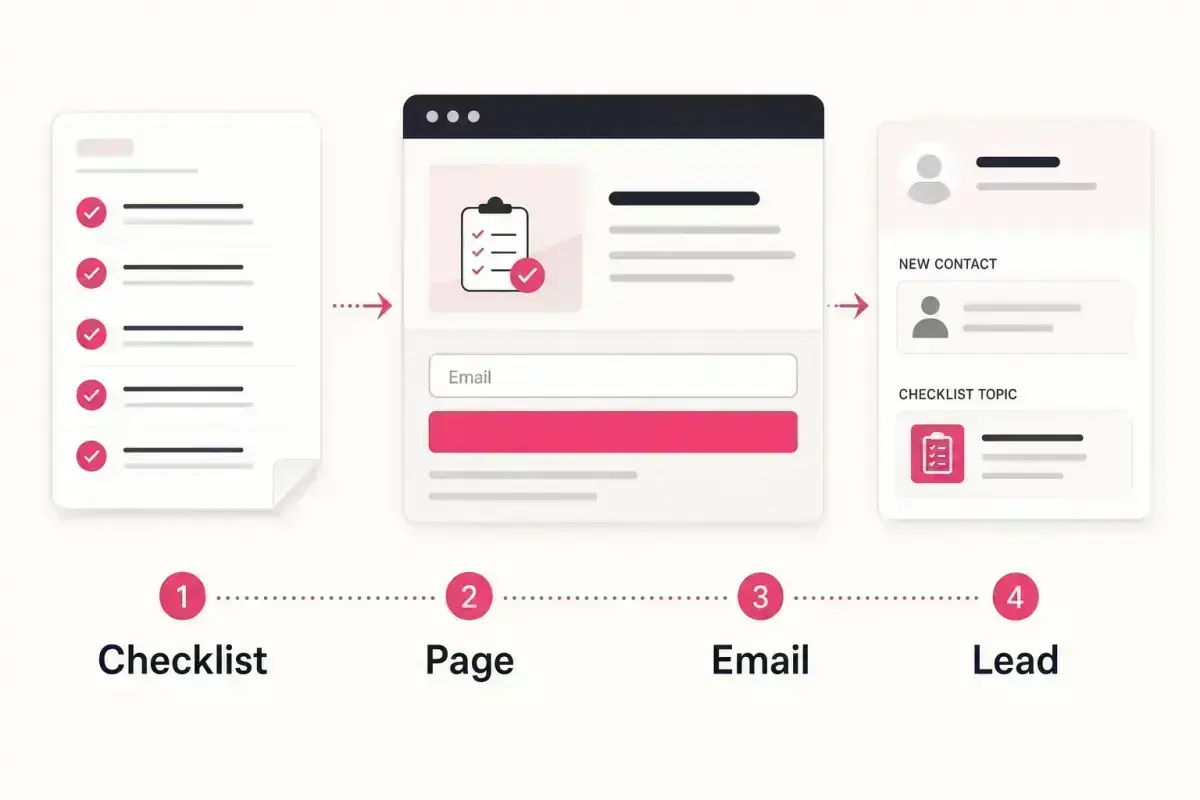
- Givloh turns the pack into one email-gated page, delivers the file automatically, and shows which prospects requested it.
Use the pre-client parts, not the private parts
Many service businesses already have useful material inside their onboarding process. The mistake is trying to publish the whole pack. Contracts, internal process notes, pricing exceptions, passwords, and client-specific instructions should stay private.
The lead magnet version should use only the parts a prospect can safely use before becoming a client. That might be a document checklist, a preparation timeline, a decision worksheet, a first-call question list, or a simple explanation of what happens after someone asks for help.
For a similar reuse pattern, read how to turn a consultation questionnaire into a lead magnet.
Good source material to reuse
- New-client preparation checklists.
- Documents to gather before a quote, call, visit, or assessment.
- Timelines that explain what happens next.
- Questions prospects should answer before choosing a provider.
- Common mistakes that slow down the first engagement.
Make it useful before the booking
A good onboarding-pack lead magnet should help the reader become a better prepared prospect. It should not assume they have already chosen the business.
For an accountant, that could be a records checklist. For a roofer, it could be a survey preparation sheet. For a consultant, it could be a discovery-call prep worksheet. For a home inspector, it could be a pre-inspection document list.
The useful test is simple: would this file help the person decide what to do next even if they have not booked yet?
Simple repurposing workflow
- Copy the existing onboarding pack into a working draft.
- Remove client-only, confidential, legal, pricing, and internal process details.
- Keep one pre-sale problem the prospect can understand quickly.
- Turn that section into a short checklist, worksheet, guide, or document list.
- Publish it as an email-gated Givloh page and follow up by resource topic.
Avoid making the pack sound generic
A broad file called 'Client onboarding guide' is too vague for a social post or bio link. The title should name the service moment and the reader's problem.
Better titles include 'What to gather before your bookkeeping cleanup call', 'Home survey preparation checklist', or 'Website access handover checklist'. These are specific, easy to explain, and natural to follow up from.
If the resource is tied to a referral partner, pair this with how to turn a referral partner PDF into a lead magnet.
The best onboarding-pack lead magnet helps the prospect arrive prepared before the business asks for a sale.
Givloh editorial note
Use the download to start a better first reply
The downloaded resource gives the business context. A person who requests a document list, a timeline, or a readiness checklist is showing what they are trying to prepare.
The first follow-up should mention the file and ask one practical next question. For example, a bookkeeper might ask whether the reader is setting up a monthly routine or cleaning up old records.
Givloh keeps the lead tied to the resource, so the owner can respond with context instead of guessing from a generic contact form.
Useful follow-up segments
- Preparing for a quote, consultation, visit, handover, or assessment.
- New enquiry, referral, returning contact, or existing social follower.
- Document-ready, needs guidance, comparing providers, or ready to book.
- Service type and likely next question.
- Resource downloaded and channel used.
Use this as the starting checklist
- Use only the pre-client material that is safe and helpful to share.
- Remove confidential, internal, legal, pricing, and client-specific details.
- Name one service moment instead of publishing a broad onboarding pack.
- Turn the resource into a short checklist, worksheet, guide, or document list.
- Follow up based on what the person was preparing to do.
References and useful next reading
Givloh
Turn the resource into a lead capture page.
Upload a guide, checklist, template, or tool. Share one link. Capture the email before the download. No Mailchimp, Zapier, Drive permissions, or landing page builder.
Try Givloh freeFAQ
Can an onboarding pack be a lead magnet?
Yes, if the business extracts the pre-sale preparation material and removes private client-only details. Checklists, document lists, timelines, and first-call worksheets often work well.
What should stay out of an onboarding-pack lead magnet?
Leave out contracts, pricing exceptions, passwords, internal process notes, personal client details, and anything that should only be shared after a client relationship starts.
Where should a service business share this kind of resource?
Useful channels include social bio links, referral partner emails, Google Business Profile updates, QR codes, email signatures, and follow-up messages after early enquiries.