
Lead magnet strategy · 8 min read
How to Turn a Warranty Explainer Into a Lead Magnet
A practical guide for service businesses that want to turn warranty questions, care instructions, and service limits into a useful email-gated resource.
- A warranty explainer can become a useful lead magnet when it answers the questions customers ask before they feel ready to book.
- The best version explains what is covered, what is not covered, what records to keep, and when to call the service business.
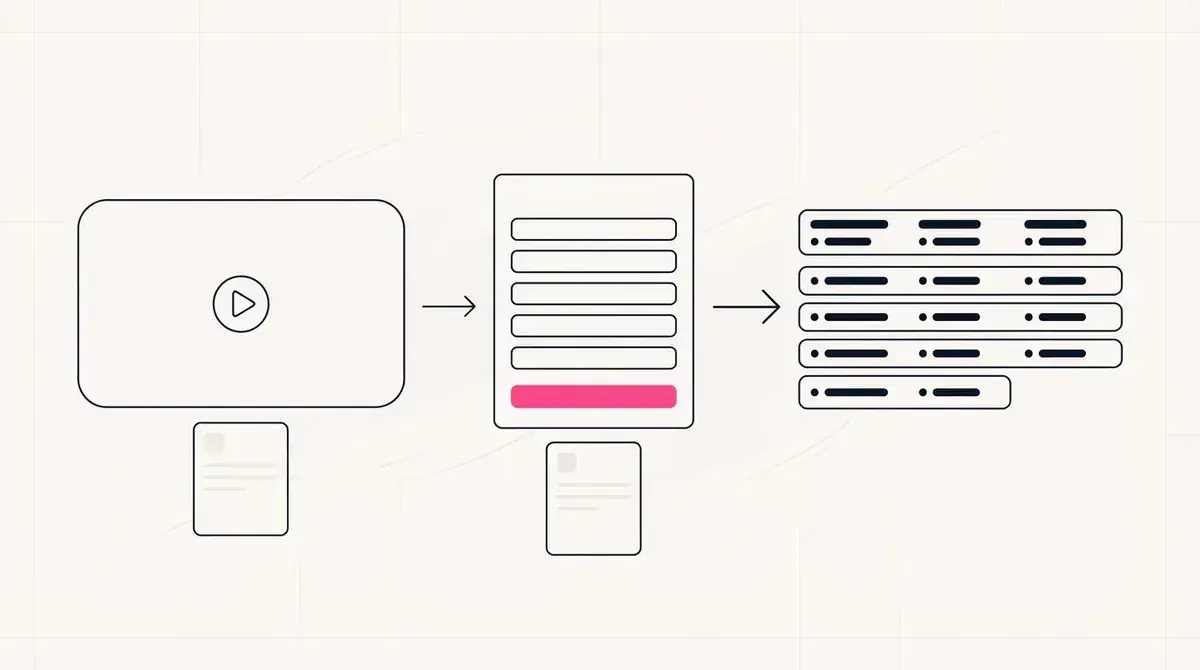
- Givloh turns the explainer into one hosted page with email capture, automatic file delivery, and a lead list for follow-up.
Start with the questions that slow a booking down
Warranty questions often appear late in the buying process, but they are really trust questions. A homeowner, landlord, tenant, or business owner wants to know what happens after the work is done, what they are responsible for, and what kind of problem should trigger a call.
That makes a warranty explainer a useful lead magnet for service businesses that install, repair, maintain, or inspect equipment. The resource does not need to be a legal document. It can be a plain-language guide that helps a potential customer prepare for a better conversation.
For broader service content that can become lead capture material, compare this with how to turn a maintenance schedule into a lead magnet and how to turn a case study into a lead magnet.
Good warranty explainer topics
- What is usually covered after installation or service.
- What customer actions can affect future service support.
- What receipts, photos, service notes, or model details to keep.
- What counts as normal wear, misuse, accidental damage, or urgent failure.
- When the customer should contact the service business before trying a fix.
Keep the promise useful but carefully bounded
A cautious warranty lead magnet should not give legal advice, promise coverage, or rewrite the terms of a manufacturer warranty. It should explain how to read warranty language, what details matter, and what information the service business needs before it can advise on a repair or follow-up visit.
The FTC's consumer guidance on warranties is a useful reminder that written terms, coverage limits, claims processes, and records matter. Use that as a framing discipline: help customers ask better questions, but keep the official warranty and contract terms in their proper place.
The safest format is a checklist or explainer with a clear note that the resource is general preparation, not a replacement for the written warranty, contract, or professional advice.
A warranty explainer should reduce confusion before the call, not make promises the business has not reviewed.
Givloh editorial note
Use it before and after the job
A warranty explainer can support both new leads and existing customers. Before the job, it helps a prospect understand what to ask. After the job, it gives the business a reason to stay useful without sending another sales message.
For new leads, share the resource from social posts that answer common buyer questions: what warranty means, what a service visit includes, and what details to check before booking. For existing customers, include the same link in a follow-up email, invoice note, QR code, or seasonal reminder.
When someone downloads the explainer, the follow-up should be specific. Ask what product, service, installation, or concern prompted the download. That is more useful than adding the lead to a generic newsletter.
Simple warranty explainer workflow
- List the warranty questions customers already ask.
- Turn them into a short checklist or plain-language PDF.
- Add boundaries around what the resource can and cannot answer.
- Upload the PDF to Givloh and publish one email-gated page.
- Follow up by product, service type, property, urgency, and next question.
How Givloh fits
Givloh is useful when the warranty explainer should capture leads instead of sitting as an open PDF in a Drive folder. The business uploads the file, shares one link, collects the email before delivery, and sees the lead in one dashboard.
The resource can then be reused from Instagram, Facebook, LinkedIn, QR codes, service reminders, estimate follow-ups, and email signatures without rebuilding a landing page or wiring together a separate email tool.
Useful follow-up fields
- Service type requested.
- Product, fixture, system, or job category.
- Customer stage: researching, booked, completed job, or issue after service.
- Urgency and preferred next step.
- Resource downloaded and channel where the lead came from.
Use this as the starting checklist
- Choose one warranty question customers ask repeatedly.
- Explain what to check and what records to keep without giving legal advice.
- Make the resource short enough to read before a call.
- Publish it as one Givloh email-gated download page.
- Follow up by the issue that prompted the download.
References and useful next reading
Givloh
Turn the resource into a lead capture page.
Upload a guide, checklist, template, or tool. Share one link. Capture the email before the download. No Mailchimp, Zapier, Drive permissions, or landing page builder.
Try Givloh freeFAQ
Can a warranty explainer be a lead magnet?
Yes. A warranty explainer can work as a lead magnet when it helps customers understand what to check, what records to keep, and when to contact the service business.
Should the explainer include legal warranty terms?
Keep the explainer general and carefully bounded. It should point customers back to the written warranty, contract, or official terms rather than replacing them.
What service businesses can use this idea?
Installers, repair companies, inspectors, contractors, equipment service firms, and home service businesses can use a warranty explainer when warranty questions affect enquiries.