
Lead magnet strategy · 8 min read
How to Turn a Case Study Into a Lead Magnet
A practical guide for service businesses that want to turn proof from past work into a useful downloadable resource that captures qualified leads.
- A case study can become a lead magnet when it helps the reader make a decision, not when it simply celebrates past work.
- The best format is a short teardown, checklist, or before-and-after explanation tied to one service problem.
- Gate the useful takeaway behind an email, deliver it immediately, and follow up based on the problem the reader is researching.
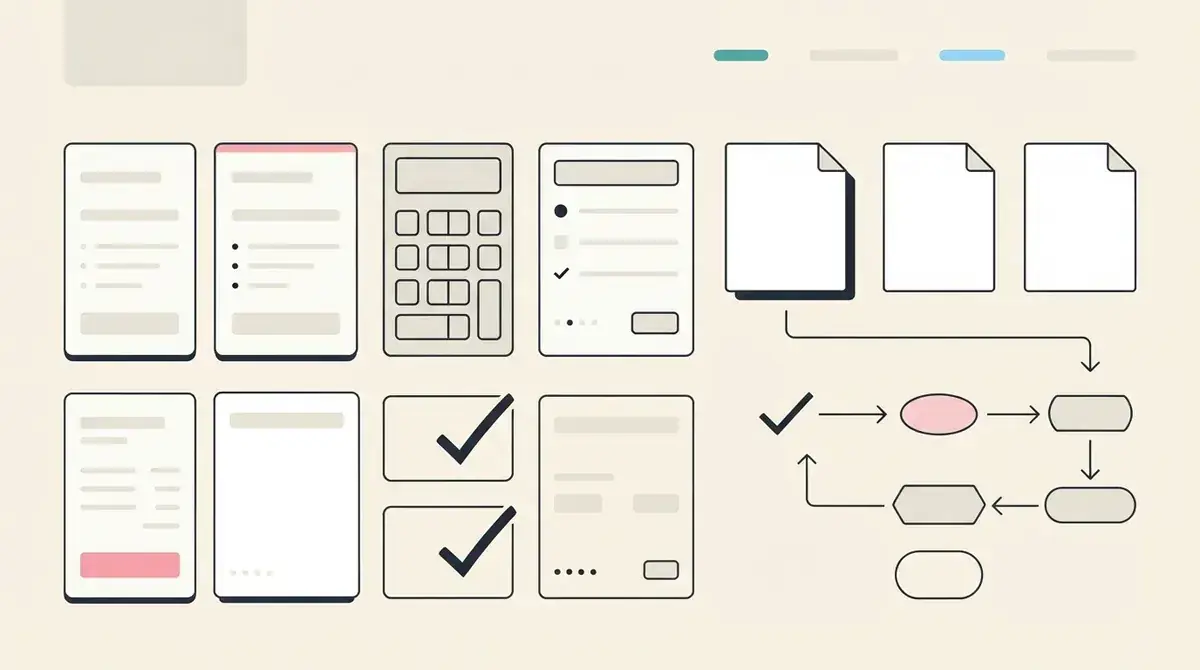
Start with the decision the reader is making
Most service-business case studies are written for the business, not the buyer. They explain the project, show the result, and end with a broad call to get in touch. That can help credibility, but it does not always give a social visitor a reason to leave an email address.
To turn a case study into a lead magnet, focus on the decision behind the project. A homeowner may want to know what caused a renovation delay. A clinic owner may want to know how a booking problem was diagnosed. A business buyer may want to know what information the provider needed before quoting.
The downloadable resource should package that decision help. For a broader resource pattern, compare this with how to turn before-and-after projects into a lead magnet.
Good case study lead magnet angles
- Before-and-after checklist: what changed and why it mattered.
- Project planning worksheet: what the customer needed to decide first.
- Mistake teardown: what nearly caused cost, delay, or confusion.
- Scope explainer: what was included, excluded, and clarified before work started.
- Outcome review: what the business would repeat on similar projects.
Separate proof from the downloadable value
The public page can show the proof: the problem, the approach, the visible outcome, and the kind of customer involved. The downloadable file should give the reader something they can use before speaking to the business.
For a web designer, that might be a homepage audit checklist based on a recent redesign. For a cleaner, it might be a move-out preparation list based on common missed areas. For a consultant, it might be a project-readiness worksheet based on a client engagement.
Do not publish private client details, sensitive commercial information, or anything that implies every customer will get the same result. Keep the story specific enough to be useful while removing details that should stay private.
The case study earns attention. The worksheet earns the email.
Givloh editorial note
Build the page around one useful takeaway
A case study lead magnet does not need to be long. In many service businesses, one useful page is stronger than a polished report. The title should say what the reader will be able to do after downloading it.
Use a practical title such as "Kitchen renovation brief checklist from a recent project" or "How we prepared a commercial cleaning quote: site walk-through checklist." Avoid vague titles like "Our latest success story" because they describe the business, not the reader's problem.
If the downloadable resource is a checklist, how to turn a checklist into a lead capture page gives the page structure to use after the case study angle is chosen.
Simple conversion structure
- Open with the customer problem the case study demonstrates.
- Show the practical lesson a similar reader can use.
- Offer the worksheet, checklist, or teardown as the download.
- Capture the email before delivery.
- Follow up by asking whether the reader is facing a similar decision.
Use the follow-up to qualify the project
The follow-up should not pretend the download means someone is ready to buy. It means the topic is active enough for them to request a resource. Ask a small number of questions that clarify whether the business can help.
Useful questions include what prompted the download, whether the reader is planning a similar project, what deadline or constraint exists, and what they have already tried. Keep the message connected to the case study so it feels like a natural continuation.
Givloh fits this workflow because the business can upload the case-study worksheet, share one link from social posts, capture the email, and see which resource created the lead.
Follow-up details to capture
- Project type or service need.
- Location or delivery area when relevant.
- Timing and urgency.
- Main constraint, such as budget, access, decision-makers, or compliance.
- Whether the reader wants advice, a quote, or a first conversation.
Use this as the starting checklist
- Choose one case study with a clear customer decision behind it.
- Remove private client details and avoid outcome guarantees.
- Turn the lesson into a checklist, worksheet, teardown, or brief template.
- Use the public page for proof and the download for practical value.
- Follow up with questions tied to the same service problem.
References and useful next reading
Givloh
Turn the resource into a lead capture page.
Upload a guide, checklist, template, or tool. Share one link. Capture the email before the download. No Mailchimp, Zapier, Drive permissions, or landing page builder.
Try Givloh freeFAQ
Can a case study work as a lead magnet?
Yes, if it gives the reader a practical takeaway such as a checklist, worksheet, teardown, or planning guide rather than only promoting past work.
What should a service business avoid in a case study download?
Avoid private client details, unsupported performance claims, guaranteed outcomes, and vague success-story copy that does not help the reader make a decision.
How should a business follow up after a case study download?
Ask whether the reader is facing a similar decision, what prompted the download, what timing or constraints exist, and whether they want a quote or first conversation.