
Lead magnet strategy · 8 min read
How to Turn an Appliance Troubleshooting Checklist Into a Lead Magnet
A practical guide for appliance repair companies that want to turn common troubleshooting questions into email-gated lead magnets.
- An appliance troubleshooting checklist works because it helps a homeowner decide whether a fridge, washer, dryer, oven, or dishwasher issue needs professional help.
- The checklist should cover safe first checks, warning signs, photos to collect, model details, and when to stop troubleshooting.
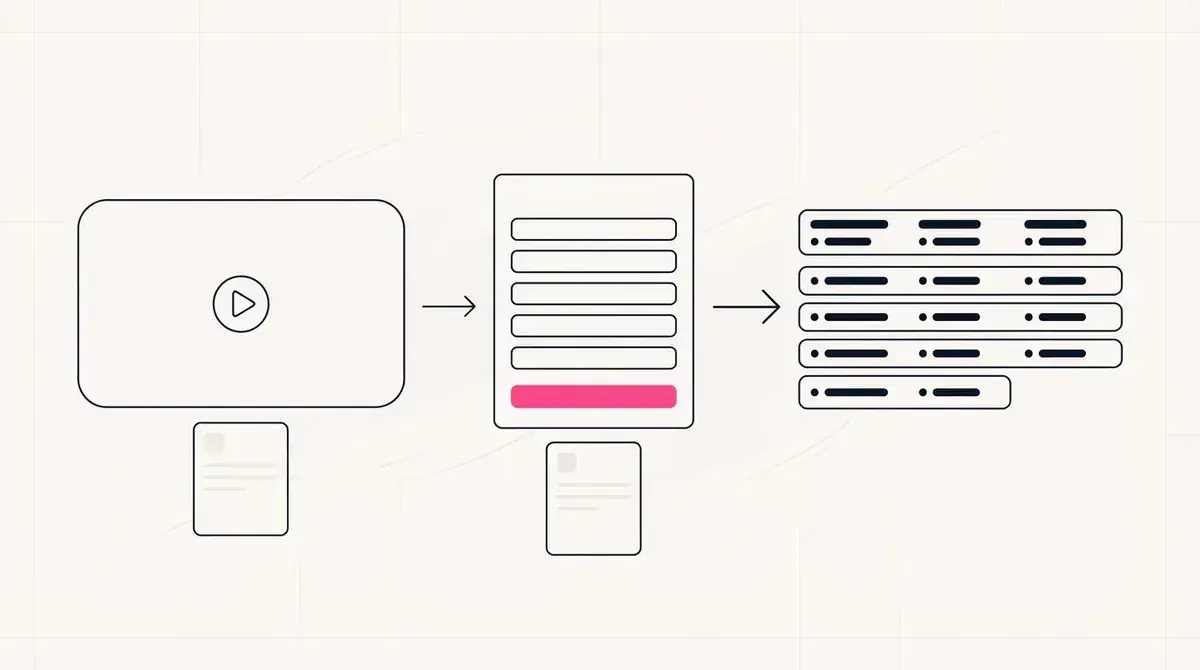
- Givloh turns the checklist into an email-gated page so social, search, referral, and QR traffic becomes a lead list instead of anonymous PDF downloads.
Start with the questions customers already ask
Appliance repair companies hear the same early questions every week. Is the fridge cooling properly? Why is the washer not draining? Is the dryer vent blocked? Is the oven heating unevenly? Should the customer switch the appliance off or book a visit?
Those questions make a strong lead magnet because they happen before the customer is ready to commit. A troubleshooting checklist lets the homeowner do safe basic checks and helps the repair company receive a better enquiry when professional help is needed.
This is not about teaching a customer to complete risky repairs. It is about turning early uncertainty into a useful, trackable next step. For a ready-made angle, see the free appliance troubleshooting checklist for repair companies.
Good source material for the checklist
- Repeated phone questions from homeowners.
- Photos customers usually need to send before a visit.
- Appliance model details that speed up diagnosis.
- Safe checks that do not require tools or panels to be opened.
- Clear warning signs that mean the customer should stop and book help.
Keep the checklist safely scoped
A useful appliance checklist should never push people into electrical, gas, water, or internal repair work. It should stay at the level of observation, basic settings, visible blockage checks, model-number collection, photos, and when to contact a professional.
The strongest language is plain and cautious. Tell the homeowner what to notice, what information to collect, and when not to continue. That makes the resource more trustworthy and helps the repair company avoid low-quality enquiries.
If the checklist includes refrigerators, washers, dryers, dishwashers, and ovens, use a separate section for each appliance so the reader can find the relevant part quickly.
The checklist should make the first conversation safer and clearer, not turn the homeowner into a repair technician.
Givloh editorial note
Safe structure for the resource
- Open with what the checklist is and what it is not.
- List visible symptoms and simple non-invasive checks by appliance type.
- Ask the homeowner to collect photos, model details, and error codes if visible.
- Give a clear stop-and-call threshold for smells, sparks, leaks, gas concerns, or repeated faults.
- End with a simple repair enquiry or diagnostic visit next step.
Build the lead capture page around one promise
The page promise should be specific: "Check the basic details before you book an appliance repair visit." That is clearer than a vague guide to appliance maintenance.
Use a short intro, a few preview bullets, and a single email field. The customer should not need to explain the whole fault before they receive the checklist. Detailed job questions can come after the download, once the business has the lead.
For the wider single-resource setup, read how to build a one-resource bio link system.
Lead page preview bullets
- What to check before requesting a repair visit.
- What photos and model details to collect.
- When a fault should not wait.
- How to send a clearer repair enquiry.
Promote it from practical customer moments
The checklist can be shared from Google Business Profile updates, Facebook posts, Instagram bio links, fridge-magnet QR codes, invoice footers, referral partner emails, and follow-up messages after missed calls.
The post copy should sell usefulness, not a discount. A simple line works: "Not sure whether the washer fault needs a callout? Grab the free pre-visit checklist and send clearer details."
For a local search route, see Google Business Profile lead magnet strategy for appliance repair companies.
First promotion loop
- Publish the checklist through Givloh.
- Add the link to social profiles and Google Business Profile updates.
- Mention it in practical posts about common appliance faults.
- Capture the email before file delivery.
- Follow up with one question about appliance type, symptom, model, and timing.
Use this as the starting checklist
- Choose one safe troubleshooting theme for the first checklist.
- Avoid repair instructions that require tools, panels, gas, water, or electrical work.
- Ask for email before delivering the checklist.
- Use follow-up to collect appliance type, model details, photos, and urgency.
- Track downloads, replies, diagnostic visits, repair bookings, and repeat-service enquiries.
References and useful next reading
Givloh
Turn the resource into a lead capture page.
Upload a guide, checklist, template, or tool. Share one link. Capture the email before the download. No Mailchimp, Zapier, Drive permissions, or landing page builder.
Try Givloh freeFAQ
Can an appliance repair checklist work as a lead magnet?
Yes. A safe troubleshooting checklist helps homeowners decide whether to book help and gives the repair company a practical reason to capture an email before follow-up.
What should an appliance troubleshooting checklist include?
It should include visible symptoms, safe first checks, model and error-code details, photo prompts, and clear instructions on when to stop and contact a professional.
Should the checklist include repair instructions?
Keep it cautious. The checklist should focus on observation and preparation, not instructions for electrical, gas, water, or internal appliance repair work.