
Arborist lead magnets · 8 min read
Free Tree Health Checklist for Arborists
A cautious tree health checklist lead magnet arborists can use to capture homeowner enquiries without giving risky tree-work instructions.
- A tree health checklist helps homeowners describe visible concerns before they request a site visit from an arborist.
- The checklist should cover observation, photos, timing, nearby risks, and when to stop guessing, not instructions for climbing, cutting, or diagnosing from one photo.
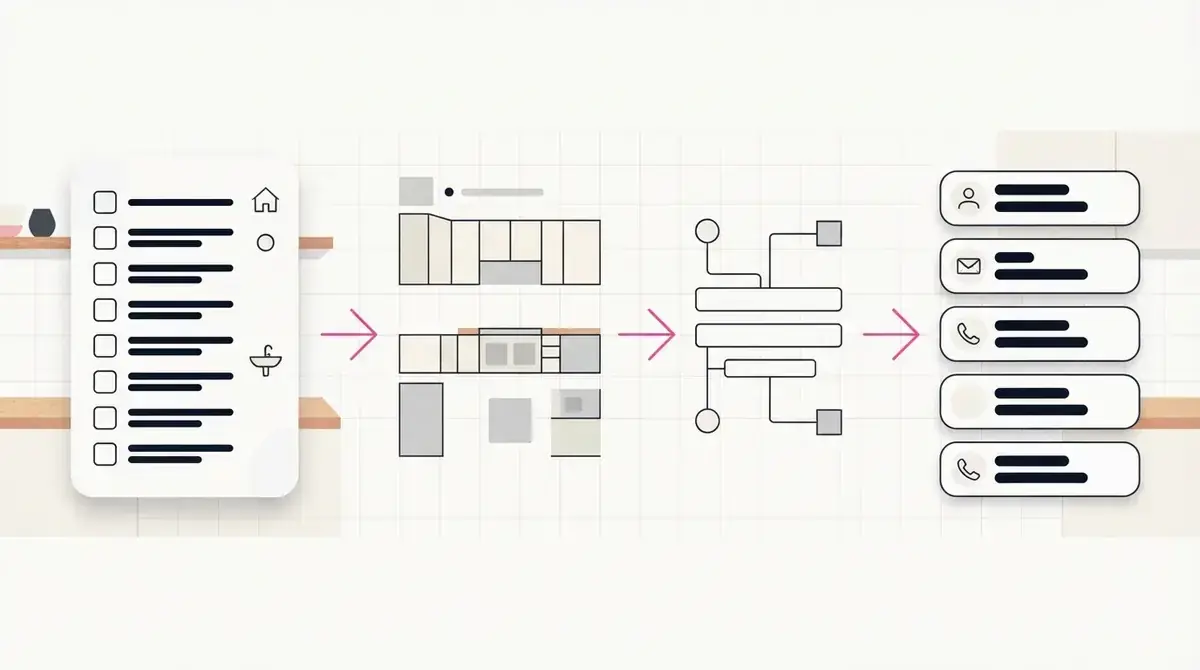
- Givloh turns the checklist into one email-gated page that arborists can share from local posts, Google Business Profile updates, referrals, and QR codes.
Use the checklist to start a safer conversation
Homeowners often notice tree problems without knowing whether they are urgent: dead branches, cracks, fungus, leaning, storm damage, roots lifting paving, or branches near a roof, path, vehicle, or utility line.
A tree health checklist can help the homeowner gather useful observations before contacting an arborist. It should ask for visible signs, recent weather, changes over time, location on the property, and clear photos from a safe distance.
It should not ask the homeowner to climb, cut, pull, probe, or decide whether a tree is structurally safe. The lead magnet should make the professional conversation better, not replace it.
Checklist sections to include
- Visible changes: dead limbs, cracks, fungal growth, lifting roots, or sudden leaning.
- Timing: when the issue appeared and whether it changed after wind, rain, heat, or construction.
- Location: near a house, road, boundary, path, parked car, or overhead line.
- Photos to take safely from ground level.
- When to keep people away and request professional advice.
Keep tree care authority with the arborist
Tree health content needs careful language. The International Society of Arboriculture's public resources are a useful model because they educate tree owners while still pointing back to qualified assessment when judgement matters.
The checklist can explain what to notice, what to photograph, and what not to touch. It should avoid remote diagnosis, treatment promises, and instructions that could lead to unsafe work.
For a broader process, see how to turn a seasonal safety checklist into a lead magnet.
The checklist should help the homeowner report the situation clearly, not decide the arborist's answer.
Givloh editorial note
Share it from local proof and seasonal moments
An arborist can share the checklist after storms, before high-wind seasons, during spring growth, when leaf changes are visible, or after posting a local project photo.
Strong posts connect the resource to one situation: tree close to a house, post-storm branch damage, new fungus, suspected disease, construction near roots, or a tree affecting a neighbour boundary.
Givloh gives the arborist one hosted page and lead list, so the PDF does not sit as an open file link with no contact details attached.
Simple publishing workflow
- Write a one-page homeowner observation checklist.
- Remove any risky climbing, cutting, or treatment instructions.
- Upload the checklist to Givloh.
- Share the page from local social posts, Google Business Profile updates, referrals, and printed cards.
- Follow up by risk level, location, property type, and requested next step.
Follow up by risk and visit type
A tree health download can mean several different things. Some homeowners are worried about safety after weather. Others are planning pruning, preparing a property sale, or trying to understand a neighbour-boundary issue.
The first follow-up should acknowledge the checklist and ask for safe details: what they noticed, when it changed, whether anything is near the tree, and whether they want a site visit.
For the profession-specific list strategy, compare arborist email list building guide.
Useful arborist lead segments
- Concern type: storm damage, disease signs, pruning, roots, construction impact, or safety concern.
- Urgency: monitor, planned visit, soon, or keep people away until assessed.
- Property type: homeowner, landlord, commercial site, school, or estate.
- Location and access notes.
- Photos received and preferred callback window.
Use this as the starting checklist
- Focus the resource on safe homeowner observation.
- Ask for timing, location, ground-level photos, and nearby risks.
- Avoid diagnosis, treatment promises, climbing, cutting, or hazardous instructions.
- Publish through Givloh with email capture and file delivery.
- Follow up by risk, property type, location, and visit intent.
References and useful next reading
Givloh
Turn the resource into a lead capture page.
Upload a guide, checklist, template, or tool. Share one link. Capture the email before the download. No Mailchimp, Zapier, Drive permissions, or landing page builder.
Try Givloh freeFAQ
What should an arborist tree health checklist include?
Include visible changes, timing, safe ground-level photos, property location, nearby risks, and prompts for when to request a professional site visit.
Should arborists give diagnosis through a lead magnet?
No. A lead magnet can help homeowners prepare observations, but diagnosis and treatment recommendations should remain with the arborist after proper assessment.
Where can arborists share a tree health checklist?
Share it from local social posts, Google Business Profile updates, referral emails, printed cards, QR codes, invoices, and seasonal maintenance reminders.