
Lead magnet strategy · 8 min read
How to Turn a Seasonal Safety Checklist Into a Lead Magnet
A practical guide for service businesses turning seasonal safety advice into an email-gated checklist that earns trust before a booking.
- A seasonal safety checklist works best when it helps customers spot timely risks without teaching them to do specialist work themselves.
- Pick one season, one customer moment, and one safe next step, then package the advice as a short downloadable checklist.
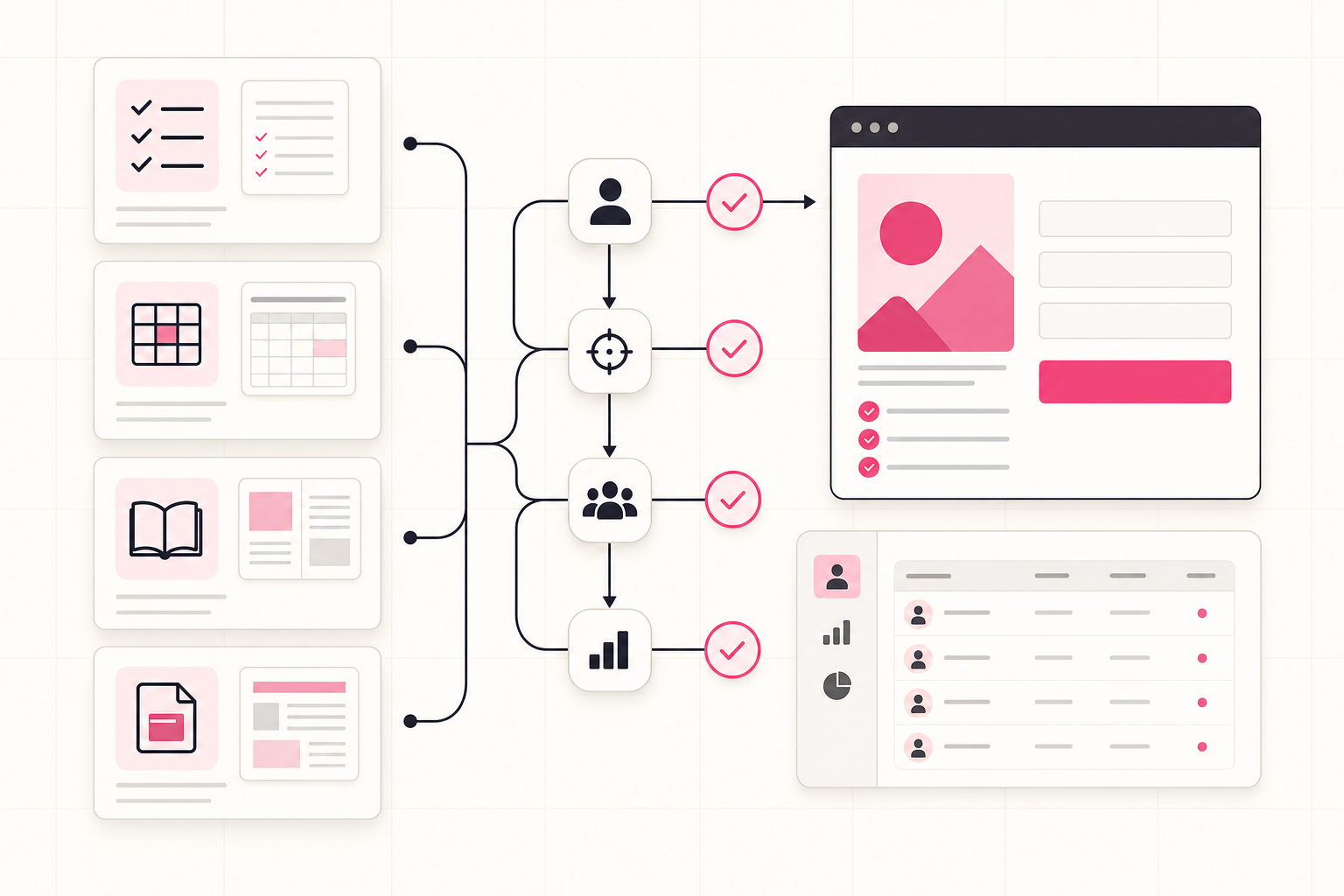
- Givloh hosts the checklist, captures the email before delivery, and gives the business one link to share from social posts, email signatures, QR codes, and local updates.
Choose one seasonal risk customers already care about
A seasonal safety checklist should begin with a real customer concern: winter boiler checks, storm roof damage, frozen pipes, summer pest prevention, school-holiday home security, garden maintenance, clinic appointment preparation, or year-end finance admin.
The topic works because timing creates urgency. The customer is not downloading a generic brochure; they are trying to avoid a specific problem before it becomes expensive, disruptive, or unsafe.
Keep the scope narrow enough that the checklist can be useful in five minutes. A service business does not need a long ebook to capture leads from social media. It needs one resource that answers the question the customer is already asking.
Good seasonal checklist angles
- Before winter: heating, roofing, plumbing, damp, insulation, or emergency callout prevention.
- Before summer: pest control, garden care, air conditioning, home security, or holiday-home preparation.
- Before a move: survey, cleaning, removals, locksmith, broadband, or insurance preparation.
- Before a deadline: tax season, compliance renewal, policy renewal, or employee review preparation.
- Before an appointment: consultation prep, documents to bring, photos to take, or questions to ask.
Make the advice safe, specific, and non-alarmist
The checklist should help customers observe, prepare, and decide when to ask for help. It should not teach them to perform regulated, hazardous, or specialist work. That distinction is especially important for home services, healthcare, legal, finance, and any trade where poor advice can create risk.
A strong checklist uses plain questions: What have you noticed? When did it start? Has it happened before? What photos or documents would help? What should you stop doing until a professional has checked it?
For search visibility, Google Search Central's SEO starter guide is a useful reminder to build for people first. The page should answer the reader's task clearly before it tries to rank.
A seasonal lead magnet should lower uncertainty, not raise panic.
Givloh editorial note
Package the checklist for fast download
The checklist can be a one-page PDF, a short worksheet, or a simple template. Put the most practical items near the top and keep the business pitch restrained. The customer should feel that the resource was worth exchanging an email for.
Use the title to name the customer outcome, not the business category. For example: Winter roof check before the next storm is clearer than roofing services checklist.
If the business already has service visit notes, onboarding packs, or inspection forms, use those as source material. For a similar approach, see how to turn a site visit preparation checklist into a lead magnet.
Simple build process
- Pick one season and one customer risk.
- Write ten to fifteen safe checks or preparation prompts.
- Add one clear next step for customers who find an issue.
- Upload the PDF to Givloh and publish the email-gated page.
- Share the link from timely social posts, local updates, and email signatures.
Follow up while the timing still matters
Seasonal leads lose value if follow-up waits too long. A winter checklist download, storm-prep guide, or tax-season document list usually signals a near-term need.
The first reply should mention the exact checklist, ask one qualifying question, and offer a low-friction next step. Avoid sending a generic newsletter as the first touch.
Givloh records which resource each lead requested, so the business can separate winter-prep leads from quote requests, appointment prep, renewal reminders, and general enquiries.
Useful follow-up segments
- Season or deadline that triggered the download.
- Service category, property type, or appointment type.
- Urgency: planning, soon, active issue, or emergency.
- Channel where the lead came from.
- Resource requested and next question asked.
Use this as the starting checklist
- Pick one timely customer risk instead of a broad seasonal theme.
- Keep the checklist safe: observe, prepare, and decide when to call.
- Turn existing service notes into a short PDF or worksheet.
- Publish it through Givloh with email capture and automatic delivery.
- Follow up by season, service need, urgency, and source channel.
References and useful next reading
Givloh
Turn the resource into a lead capture page.
Upload a guide, checklist, template, or tool. Share one link. Capture the email before the download. No Mailchimp, Zapier, Drive permissions, or landing page builder.
Try Givloh freeFAQ
What makes a seasonal safety checklist a good lead magnet?
It solves a timely customer concern, gives safe preparation advice, and creates a natural reason to contact the business before the problem becomes urgent.
Should the checklist include DIY instructions?
Only include safe observation and preparation prompts. Avoid specialist, regulated, or hazardous instructions that should be handled by a trained professional.
Where should a service business share a seasonal checklist?
Share it from social posts, Google Business Profile updates, email signatures, QR codes, referral emails, invoices, and local community channels.