
LinkedIn lead generation · 8 min read
LinkedIn Lead Magnet Strategy for Commercial Cleaning Companies
A practical LinkedIn lead magnet strategy commercial cleaning companies can use to turn useful posts into owned facilities and workplace enquiries.
- Commercial cleaning companies can turn relevant LinkedIn posts into email leads by offering one practical resource for a facilities, office, retail, or property-management decision.
- Strong resources help a buyer prepare a site walk-through, compare cleaning scopes, organise mobilisation details, or review service questions without pretending to replace a site assessment.
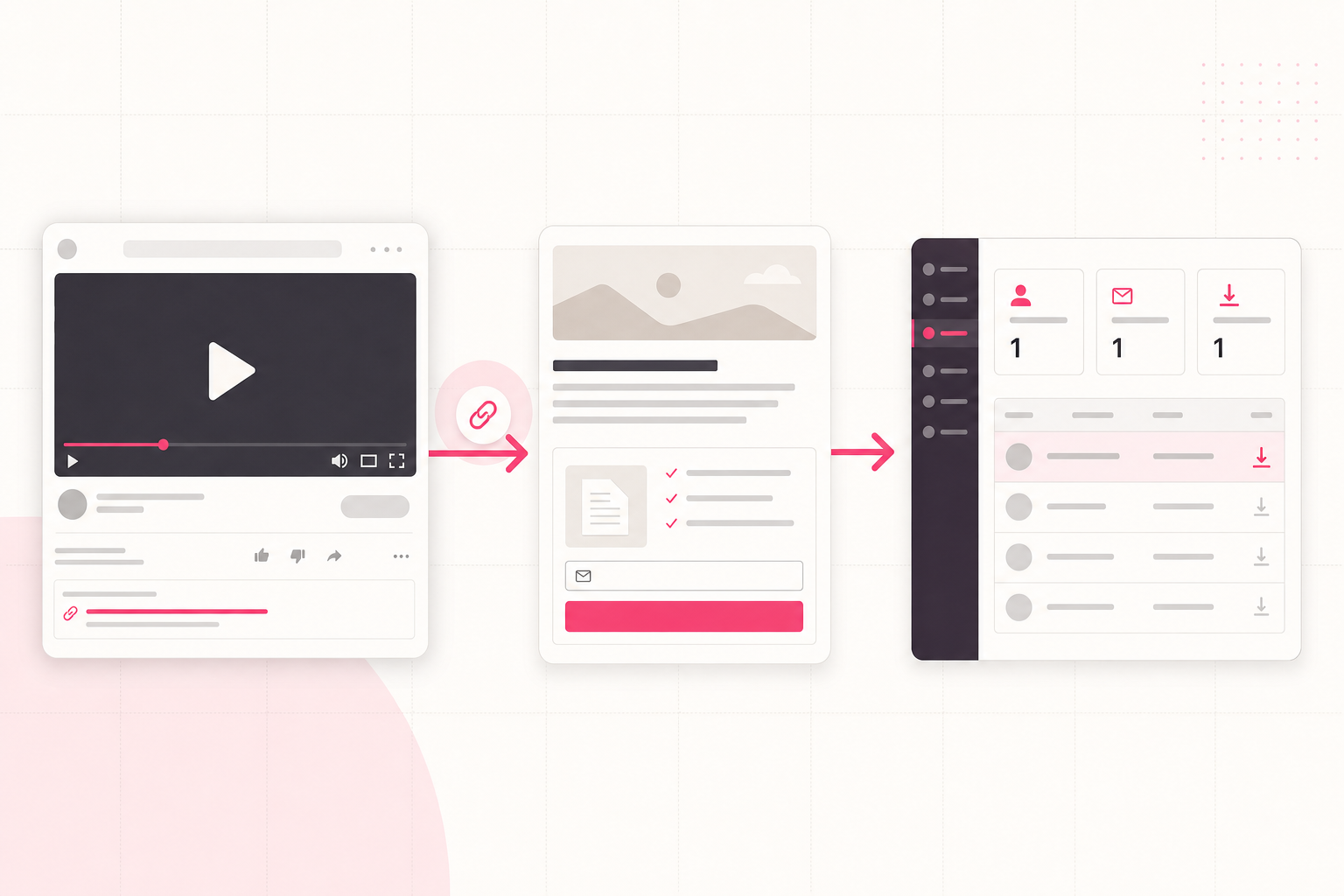
- Givloh gives the cleaning business one resource link, captures the email before delivery, and records which topic started the enquiry.
Choose a commercial buying moment
Commercial cleaning buyers are rarely looking for a generic list of cleaning tips. A facilities manager may be reviewing an existing contract, an office manager may be preparing a new site, and a property manager may need a consistent handover process across locations.
Choose one of those situations and build the resource around the information needed for a useful provider conversation. The narrower promise gives a LinkedIn post a clearer next step.
For the broader profession workflow, read the cleaning business email list building guide.
Useful commercial cleaning resources
- Site walk-through preparation checklist.
- Cleaning scope comparison worksheet.
- New office cleaning mobilisation planner.
- Facilities handover information organiser.
- Questions to ask before reviewing a cleaning contract.
Use LinkedIn posts to explain the decision
A company Page can publish text, links, images, videos, and documents. Use those formats to show how the business approaches scope, access, communication, quality checks, or mobilisation, then point readers to the matching downloadable worksheet.
Do not attach the full lead magnet to the post if the goal is to identify interested buyers. Share one useful excerpt or a blank example, explain who the complete resource is for, and send the reader to the Givloh capture page.
Keep each post useful on its own. The resource link should be a logical next step rather than the only valuable part of the post.
The post earns attention by explaining a real facilities decision. The resource earns the email by helping the buyer prepare it.
Givloh editorial note
Make the resource safe for early-stage use
A public worksheet cannot assess the site, confirm staffing, define specialist cleaning methods, or price the contract. It should help the buyer describe premises, operating hours, access, occupancy, priority areas, existing issues, and procurement timing.
Avoid asking for alarm codes, keys, security procedures, personal data, or other sensitive site details in a general download. Those belong in an appropriate secure process after the business has established the relationship.
A focused end-of-tenancy offer serves a different audience; see the free end-of-tenancy cleaning checklist for that route.
Simple LinkedIn path
- Choose one commercial cleaning decision and buyer role.
- Publish a useful post about one part of that decision.
- Offer the complete worksheet through one Givloh link.
- Capture the email and deliver the requested file.
- Follow up by site type, role, location, timing, and service need.
Follow up like a service provider
A site walk-through download may signal an active review, while a scope worksheet may come from a buyer still organising internal requirements. Ask what kind of premises are involved, who manages the decision, where the site is, what prompted the download, and when a change may happen.
Do not jump straight to a generic sales sequence. Offer the next useful step, such as clarifying the worksheet, arranging an appropriate site visit, or confirming whether the business serves that location and type of premises.
Keep resource delivery separate from optional ongoing marketing, and use lead segmentation by resource download to keep follow-up relevant.
Useful commercial cleaning segments
- Office or coworking enquiry.
- Retail, hospitality, or public-facing premises enquiry.
- Property-management or multi-site enquiry.
- Contract review or provider-switching lead.
- New site, move, refurbishment, or mobilisation lead.
Use this as the starting checklist
- Choose one buyer role and commercial cleaning decision.
- Make each LinkedIn post useful before adding the resource link.
- Keep sensitive site and security information out of public worksheets.
- Leave scope confirmation and pricing to an appropriate assessment.
- Follow up by premises, role, location, timing, and service need.
References and useful next reading
Givloh
Turn the resource into a lead capture page.
Upload a guide, checklist, template, or tool. Share one link. Capture the email before the download. No Mailchimp, Zapier, Drive permissions, or landing page builder.
Try Givloh freeFAQ
What lead magnet works for a commercial cleaning company on LinkedIn?
A site walk-through checklist, cleaning scope worksheet, mobilisation planner, facilities handover organiser, or contract review question sheet can support a real buying decision.
Should a commercial cleaner attach the complete resource to a LinkedIn post?
Not when the goal is lead capture. The post can share a useful excerpt, while the complete resource is delivered after the interested buyer requests it through the Givloh link.
How should a cleaning company follow up with a LinkedIn resource lead?
Ask about the premises, buyer role, location, timing, current situation, and service being considered before suggesting a site visit or other next step.