
Nextdoor lead generation · 8 min read
Nextdoor Lead Magnet Strategy for Home Service Businesses
A practical Nextdoor lead magnet strategy for plumbers, electricians, cleaners, roofers, landscapers, and other local home service businesses.
- Nextdoor can work well for home service businesses because the audience is local and already thinking about neighbourhood recommendations.
- The lead magnet should answer a household problem, such as a seasonal checklist, safety-preparation sheet, quote-readiness guide, or maintenance planner.
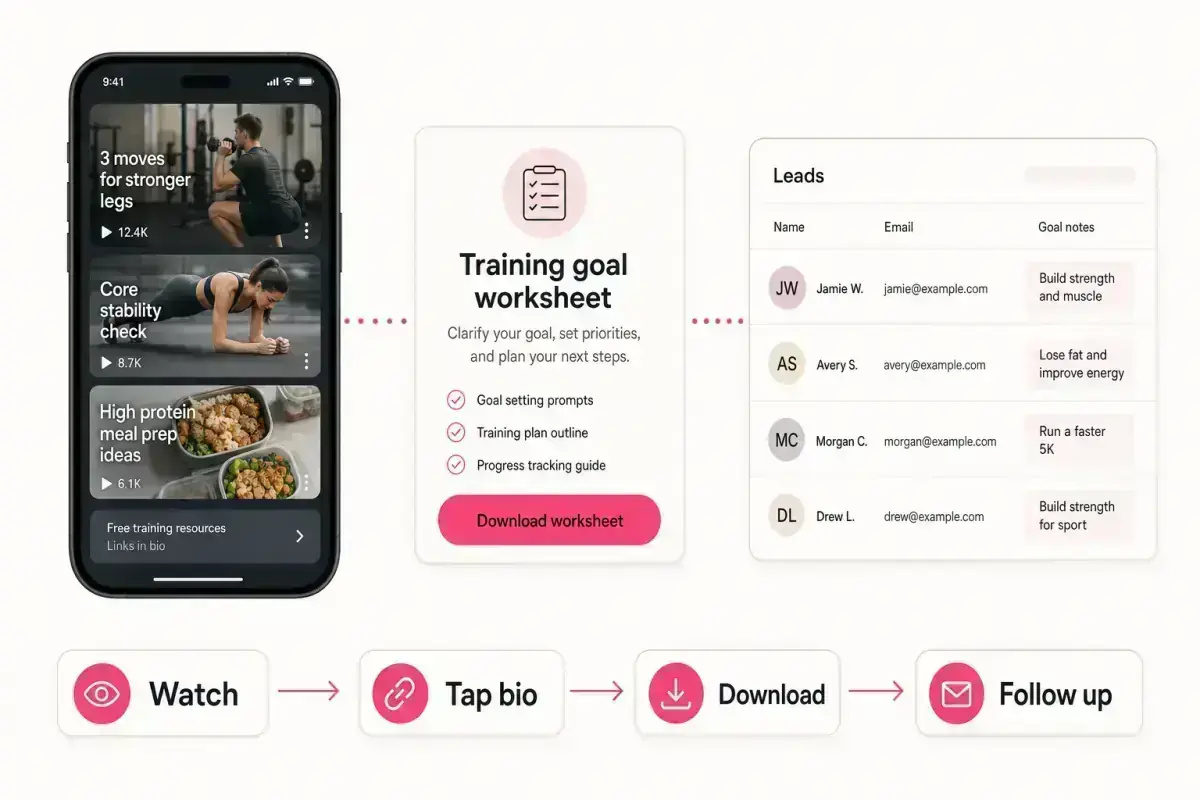
- Givloh gives the business one resource link to share from posts, profile areas, QR codes, and follow-up messages, then captures the email before file delivery.
Match the offer to local household intent
Nextdoor is different from a broad social feed because the context is local. People are asking for recommendations, warning neighbours about problems, planning seasonal work, and comparing providers near them.
A home service business should not use the same generic brochure it would put on a website. The stronger offer is a practical resource for a local household decision: what to check before calling a roofer, how to prepare for a cleaner quote, what to ask before booking a landscaper, or when an electrician should inspect a safety concern.
For home-service resource ideas, compare free checklist for plumbers and free checklist for electricians.
Good Nextdoor lead magnet angles
- Seasonal home maintenance checklist.
- Emergency warning signs preparation sheet.
- Quote-readiness checklist.
- Neighbourhood moving-in service planner.
- Before-you-book questions guide.
Keep posts helpful and local
A useful Nextdoor post should make the resource feel relevant to the neighbourhood without exaggerating urgency. For example: "A lot of older homes in this area have the same winter drainage issue. I made a short checklist you can use before calling anyone out."
That works better than a hard sales pitch because it gives the neighbour a reason to request the file. The business can then follow up based on the specific checklist downloaded.
Businesses should also review Nextdoor's own business page and posting guidance before planning a recurring posting routine.
On a local platform, useful beats loud. The resource should help the neighbour decide what to do next.
Givloh editorial note
Do not send neighbours straight to a public PDF
A public PDF link can be convenient, but it gives the business no lead record. The person may read the checklist, close the tab, and never come back.
A Givloh page keeps the experience simple while adding the missing capture step. The neighbour sees the resource promise, enters an email, receives the file, and becomes a lead the business can follow up with.
For comparison with public file sharing, read Google Drive vs Givloh for lead magnets.
Simple Nextdoor workflow
- Choose one common local household problem.
- Write a checklist, question guide, or seasonal planner.
- Upload it to Givloh and publish the capture page.
- Share the link from allowed posts, business page areas, QR codes, and replies.
- Follow up by service need, property context, area, and urgency.
Build the follow-up around the property problem
Nextdoor leads are often tied to a property issue: a leak, a roof concern, a move, a garden project, a cleaning need, or a seasonal maintenance question. The first follow-up should ask for context, not push a generic sale.
Useful questions include location, property type, timing, photos where appropriate, whether the issue is urgent, and whether they want a quote or advice on the next step.
Givloh keeps the downloaded resource attached to the lead, which makes the first reply more relevant than a cold contact form notification.
Home-service follow-up segments
- Urgent issue, planned maintenance, quote comparison, or seasonal planning.
- Homeowner, landlord, property manager, or tenant enquiry.
- Photos needed, site visit needed, or simple callback.
- Local area and preferred appointment window.
- Resource topic that triggered the enquiry.
Use this as the starting checklist
- Choose a local household problem instead of a generic service brochure.
- Review platform rules before posting as a business.
- Use a Givloh page instead of linking directly to a public PDF.
- Keep claims cautious and avoid exaggerated urgency.
- Follow up by property problem, area, timing, and next step.
References and useful next reading
Givloh
Turn the resource into a lead capture page.
Upload a guide, checklist, template, or tool. Share one link. Capture the email before the download. No Mailchimp, Zapier, Drive permissions, or landing page builder.
Try Givloh freeFAQ
Can home service businesses generate leads from Nextdoor?
Yes, when the business shares a useful local resource and captures the email before delivery. A post alone can create attention, but the lead magnet creates the contact record.
What should a home service business offer on Nextdoor?
Seasonal checklists, quote-preparation guides, emergency warning sign sheets, moving-in planners, and before-you-book question guides can all work well.
Should a Nextdoor post link directly to a PDF?
Usually no. Linking to a Givloh resource page lets the business explain the offer, capture the email, deliver the file, and follow up.