
Therapy and counselling · 8 min read
Therapist Email List Building Guide
A careful email list building guide for therapists and counselling practices using low-pressure resources, intake preparation, and trust-building follow-up.
- Therapists can build an email list with careful, non-clinical resources that help people prepare for an enquiry or first appointment.
- Good resources include first-session preparation guides, questions to ask before choosing a therapist, and low-pressure intake checklists.
- Avoid diagnosis claims, outcome promises, sensitive data collection, or follow-up that feels too aggressive for a high-trust service.
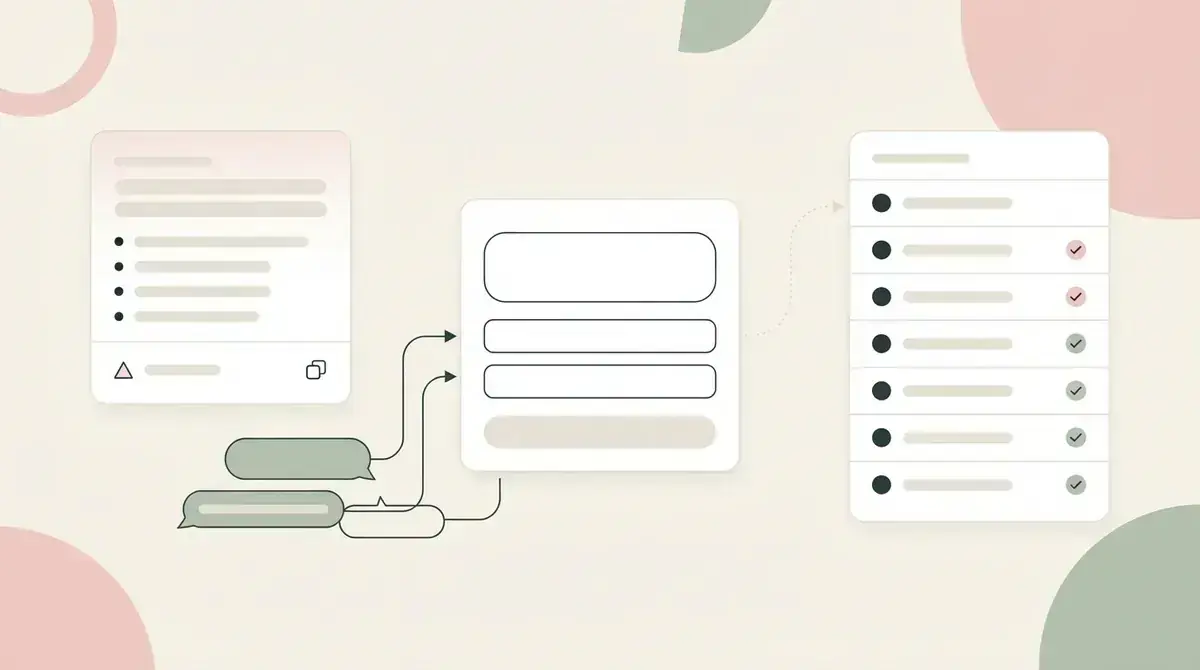
Choose resources that reduce first-step anxiety
Therapy and counselling enquiries are high-trust decisions. A good lead magnet should make the first step feel clearer without pretending to diagnose, treat, or replace professional care.
Useful resources might explain what to expect in a first session, questions to ask before choosing a therapist, or how to prepare for an initial consultation. The tone should be calm, practical, and low pressure.
If the practice already has a new-client intake checklist, see the free new-client intake checklist for therapists.
Good resource ideas
- What to expect before a first therapy session.
- Questions to ask when choosing a therapist.
- New-client intake preparation checklist.
- How to decide whether to book an initial consultation.
- A plain-language guide to the practice’s process.
Keep the email capture respectful
Do not ask for sensitive personal information just to deliver a general preparation guide. Name and email are usually enough at the download stage.
The page should explain what the person is getting and avoid pressure-based copy. People researching therapy may not be ready to book immediately, and the resource should respect that.
Privacy expectations are especially important in health-adjacent services. Keep records, consent language, and follow-up practices aligned with the rules that apply in the practice’s location.
For therapists, the right lead magnet earns trust by making the next step clearer, not by pushing for an immediate booking.
Givloh editorial note
Follow up with care
The first follow-up should acknowledge the resource and offer one simple next step. For example, ask whether they would like details about availability, approach, or how an initial consultation works.
Avoid automated sequences that assume urgency or disclose sensitive context. If the person downloaded a general guide, keep the follow-up general unless they choose to share more.
A small practice can manage this manually at first. The goal is a respectful contact list, not a high-pressure campaign.
Careful follow-up path
- Send the resource immediately after signup.
- Reference the exact guide requested.
- Offer one low-pressure next step.
- Do not ask for sensitive details by default.
- Make opt-out or no-reply boundaries easy to respect.
Promote where trust is already building
A therapy practice can share a resource from a website, social bio link, Google Business Profile post, referral partner note, or community page where allowed. The resource should feel like an extension of the practice’s care standards.
Avoid posting clinical claims or broad promises. Keep the public offer focused on preparation, process, and informed choice.
If Google Business Profile is part of the practice’s local presence, the Google Business Profile lead generation guide can help with placement ideas.
Promotion guardrails
- Use calm, plain-language post copy.
- Avoid diagnosis or outcome promises.
- Do not imply emergency support if that is not provided.
- Keep resource topics general and educational.
- Point people to urgent support routes where appropriate on the practice site.
Use this as the starting checklist
- Choose a low-pressure preparation resource.
- Avoid diagnosis, treatment, or outcome claims.
- Collect only necessary contact details at download.
- Follow up with one respectful next step.
- Keep privacy and consent practices aligned with local rules.
References and useful next reading
Givloh
Turn the resource into a lead capture page.
Upload a guide, checklist, template, or tool. Share one link. Capture the email before the download. No Mailchimp, Zapier, Drive permissions, or landing page builder.
Try Givloh freeFAQ
Can therapists use lead magnets ethically?
Yes, when the resource is educational or preparatory, avoids clinical claims, and respects privacy, consent, and the sensitive nature of therapy enquiries.
What lead magnet works for a therapist?
First-session preparation guides, questions to ask before choosing a therapist, and intake preparation checklists are practical options.
Should a therapy lead magnet ask detailed personal questions?
No. At the download stage, keep the form light. Sensitive context should be handled through the practice’s normal intake process.