
Lead magnet strategy · 7 min read
How to Turn a Fence Repair Checklist Into a Lead Magnet
A practical guide for fence installers and repair companies that want to turn local repair questions into email leads from social, search, referral, and QR traffic.
- A fence repair checklist works because homeowners often need help deciding whether a damaged panel, leaning post, gate problem, or storm issue needs a contractor.
- The checklist should help them document the problem safely, understand when to stop guessing, and request a quote or inspection when the work needs a professional.
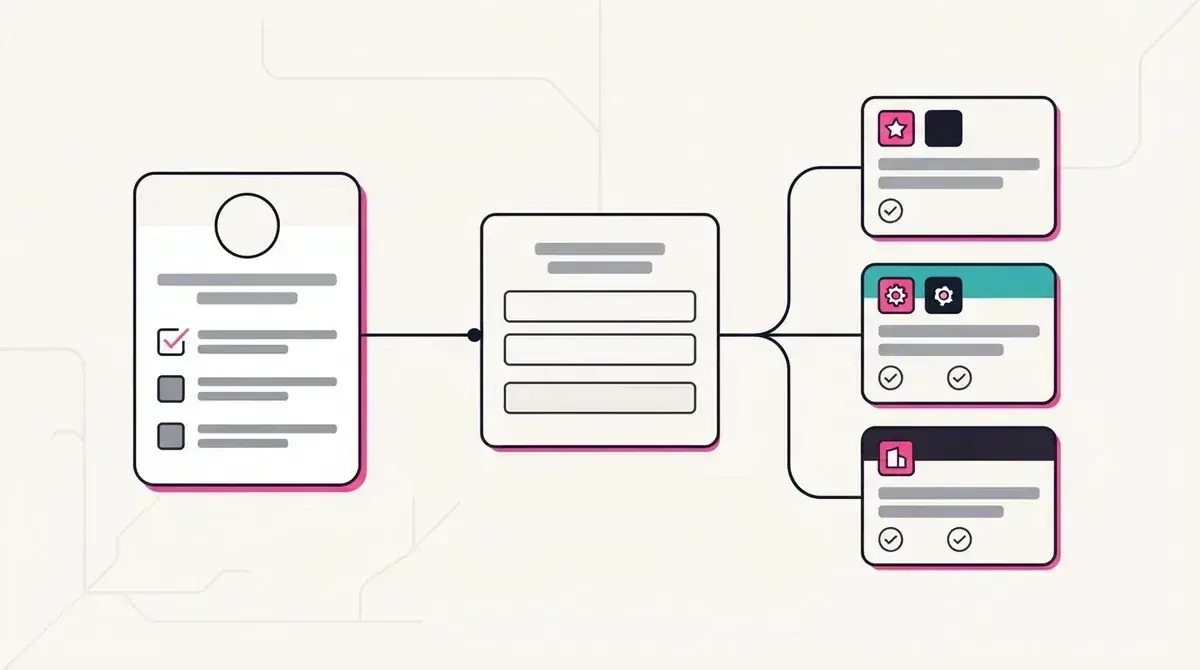
- Givloh turns that checklist into an email-gated page so fence businesses capture the lead before delivering the resource.
Start with the repair question homeowners already ask
A fence business does not need a clever first lead magnet. It needs a useful answer to a question customers already ask after a storm, during a garden renovation, before selling a home, or when a gate stops closing properly.
A repair checklist is a strong first resource because it sits before the quote request. The homeowner may not know whether they need one panel replaced, a post reset, a full fence run, or just better gate hardware. A short checklist helps them collect the right details without pretending they can do the job themselves.
The offer should be specific: 'Fence damage checklist before you request a repair quote' is clearer than 'free fencing guide'. For the full resource example, use the free fence repair checklist for fence installers.
Good checklist moments
- A panel is loose, cracked, missing, or leaning.
- A post has moved after wind, rain, or ground movement.
- A gate is dragging, sticking, or no longer latching.
- The homeowner wants to compare repair, replacement, and upgrade options.
- A landlord, property manager, or seller needs a fast condition check.
Keep the checklist useful and safe
The checklist should help the reader look, measure, photograph, and describe the problem. It should not encourage unsafe repair work, digging, structural changes, or electrical work around automated gates.
Good sections include visible damage, movement, gate function, access, boundary notes, material type, rough length, photos to take, urgency, and whether there are pets, children, shared boundaries, or tenants involved.
That makes the first follow-up much easier. Instead of asking 'what do you need?', the business can ask for photos, measurements, material preference, and access details.
Checklist structure
- Open with the problem the checklist solves.
- List safe visible checks the homeowner can complete.
- Add a photo and measurement prompt.
- Explain when a repair quote or site visit is the next step.
- End with one clear call to request help.
Gate the checklist before the download
An open PDF link is easy to share but weak for lead capture. The business may get attention without knowing who needed the help. A simple email gate gives the business permission to follow up while the repair is still active.
The form should stay short. Email is enough for the first step. The follow-up can ask for postcode, photos, fence type, approximate length, and urgency after the resource has been delivered.
This is the same simple workflow described in how to turn a checklist into a lead capture page, adapted for fence repair and installation work.
The checklist earns the email because it helps the homeowner decide what to do next.
Givloh editorial note
Share it where local intent already exists
Fence repair demand is local and often triggered by timing. Share the checklist from Google Business Profile updates, Instagram and Facebook posts, after storm-related enquiries, local partnerships, invoices, and QR cards on estimates.
The caption can be plain: 'Not sure whether your fence needs repair or replacement? I made a short checklist for homeowners before they request a quote.' That is useful, specific, and does not force someone into a sales conversation immediately.
For the local profile version, read Google Business Profile lead magnet strategy for fence installers.
Measure the real signals
- Checklist downloads.
- Replies with photos.
- Quote requests.
- Site visits booked.
- Repair or replacement jobs won.
Use this as the starting checklist
- Choose one fence repair or replacement question customers already ask.
- Write a checklist that helps homeowners document the issue safely.
- Gate the download behind a short email form.
- Follow up with photo, measurement, postcode, access, and urgency questions.
- Track downloads, replies, quote requests, site visits, and booked jobs.
References and useful next reading
Givloh
Turn the resource into a lead capture page.
Upload a guide, checklist, template, or tool. Share one link. Capture the email before the download. No Mailchimp, Zapier, Drive permissions, or landing page builder.
Try Givloh freeFAQ
What should a fence repair checklist include?
Include visible damage, post movement, gate issues, material type, rough length, access notes, photos to take, urgency, and when to ask for a professional quote.
Should a fence business gate a repair checklist?
Yes, if the checklist is being used for lead generation. Gate it with a short email form, deliver it instantly, and follow up while the repair need is active.
Where should fence installers promote a checklist?
Promote it from Google Business Profile updates, Facebook posts, Instagram bio links, local referral partners, estimates, invoices, and QR cards.