
Lead magnet guides · 8 min read
How to Turn a Local Buyer's Guide Into a Lead Magnet
A practical guide for service businesses that want to turn local expertise into an email-gated buyer guide without building a complicated marketing stack.
- A local buyer's guide works when it answers a specific decision a prospect is already trying to make.
- The guide should be short, practical, and tied to one service area, property type, appointment type, or buying stage.
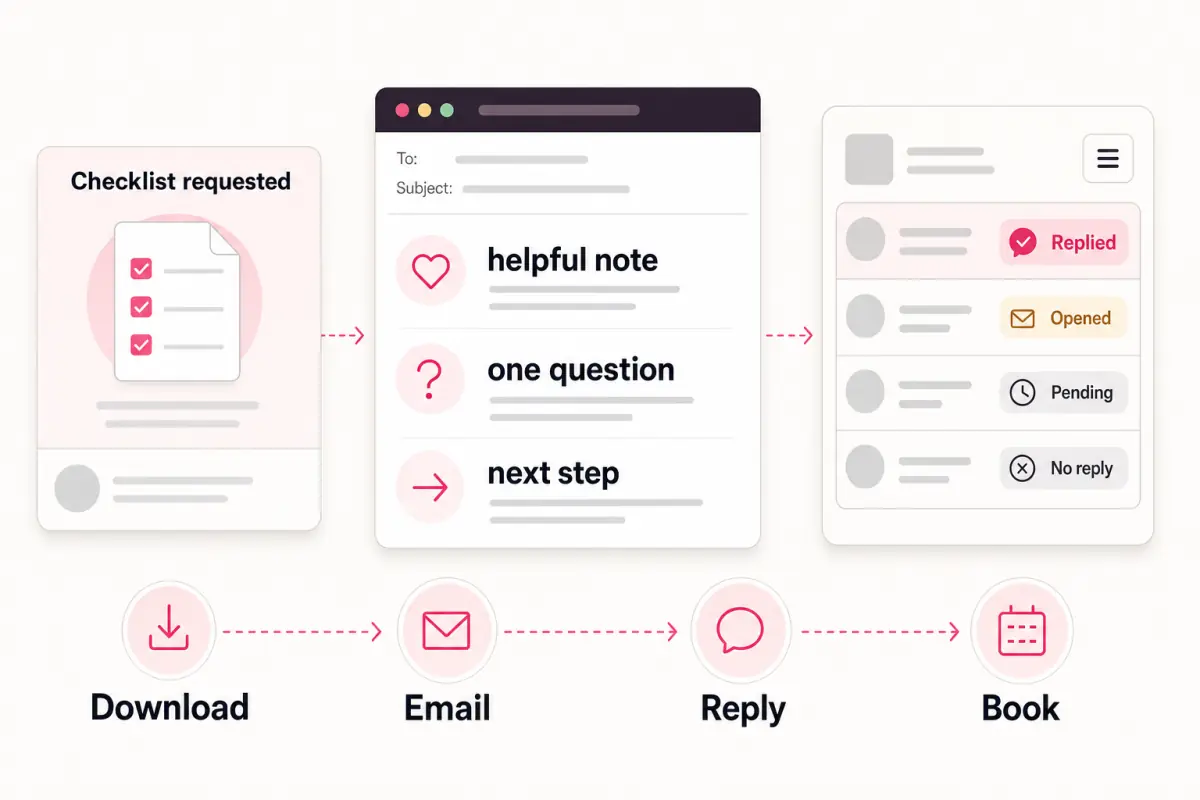
- Givloh can host the guide, capture the email before delivery, and show which local topic created the lead.
Start with a local decision
A local buyer's guide should help a prospect make a decision they are already nervous about. That could mean choosing a surveyor before buying a house, preparing for a first mortgage conversation, comparing renovation priorities, or deciding what to ask before hiring a service provider.
The mistake is trying to explain the whole business. A lead magnet works better when it narrows the promise: one decision, one local context, one next step. For broader resource planning, use the same discipline from how to choose a lead magnet for a service business.
A good first guide might be a local first-time buyer checklist, a homeowner service decision guide, a neighbourhood moving checklist, or a consultation preparation guide.
Good buyer guide angles
- Questions to ask before booking a local service.
- Mistakes to avoid before a property, home, or professional appointment.
- Local preparation checklist for a common customer problem.
- What to compare before choosing between service options.
- Documents or photos to gather before requesting a quote.
Make the guide useful before the sales call
The guide should give enough value that the download feels fair, but it should not try to replace expert advice. The best version helps the prospect arrive at the sales conversation with clearer questions.
Use short sections, plain language, and examples from the service area. A buyer's guide for a mortgage broker may explain documents to prepare. A guide for a surveyor may explain what to check before booking. A guide for a home improvement business may explain which project details affect a quote.
If the resource is closer to a checklist than a long guide, compare it with how to turn a checklist into a lead capture page.
Simple structure
- Name the local decision the guide helps with.
- Add a short explanation of who the guide is for.
- List the questions, documents, or checks the prospect should prepare.
- Add a short next-step section that explains when to contact the business.
- Publish the PDF behind an email gate and follow up within one working day.
Use local proof carefully
Local detail makes the guide feel more useful, but avoid claims that need fresh statistics unless the business can support them. Safer details include service area names, common property types, appointment scenarios, seasonal reminders, and practical preparation notes.
Do not pad the guide with generic search phrases. A real prospect should feel that the business understands their local problem, not that the page was written to chase every location keyword.
Google's helpful-content guidance is a useful standard here: make the resource for the reader first, then let search discover it.
A local guide earns the email when it helps the prospect feel better prepared before they speak to the business.
Givloh editorial note
Share one clear link
Once the guide is ready, keep distribution simple. Put the Givloh link in the social bio, add it to relevant posts, use it in email signatures, share it with referral partners, and add it to local print or QR-code material where appropriate.
The call to action should name the practical outcome: get the buyer checklist, prepare for the appointment, compare the options, or understand what to ask next. A vague download button will usually underperform a specific resource title.
For a one-link setup, follow the approach in how to build a one-resource bio link system.
Useful follow-up context
- Which local guide the person requested.
- Their likely buying or preparation stage.
- The service area or appointment type mentioned by the guide.
- The next practical question to ask in the reply.
- Whether the lead came from social, referral, email, or QR code.
Use this as the starting checklist
- Choose one local buying decision the business can explain clearly.
- Write the guide around questions, preparation steps, and warning signs.
- Avoid unsupported local statistics or broad location stuffing.
- Use one Givloh page to capture the email before delivery.
- Follow up based on the guide topic, not a generic sales script.
References and useful next reading
Givloh
Turn the resource into a lead capture page.
Upload a guide, checklist, template, or tool. Share one link. Capture the email before the download. No Mailchimp, Zapier, Drive permissions, or landing page builder.
Try Givloh freeFAQ
What should a local buyer's guide include?
It should include the decision it helps with, practical questions to ask, documents or checks to prepare, warning signs to understand, and a clear next step for contacting the business.
Which service businesses can use a local buyer's guide?
Mortgage brokers, surveyors, estate agents, home improvement businesses, accountants, advisers, consultants, and other local service businesses can use buyer guides when prospects need help before choosing a provider.
Should the guide be public or email-gated?
Make general educational articles public. Gate a practical PDF, checklist, worksheet, or decision guide when the business wants to know who requested it and follow up with context.