
Lead magnet strategy · 7 min read
How to Turn a Project Timeline Into a Lead Magnet
A practical guide for service businesses that want to turn project timelines, process maps, and preparation schedules into useful lead magnets.
- A project timeline works as a lead magnet when prospects need to understand what happens before, during, and after a service.
- The best version explains the steps, decisions, documents, and preparation tasks without promising fixed dates for every project.
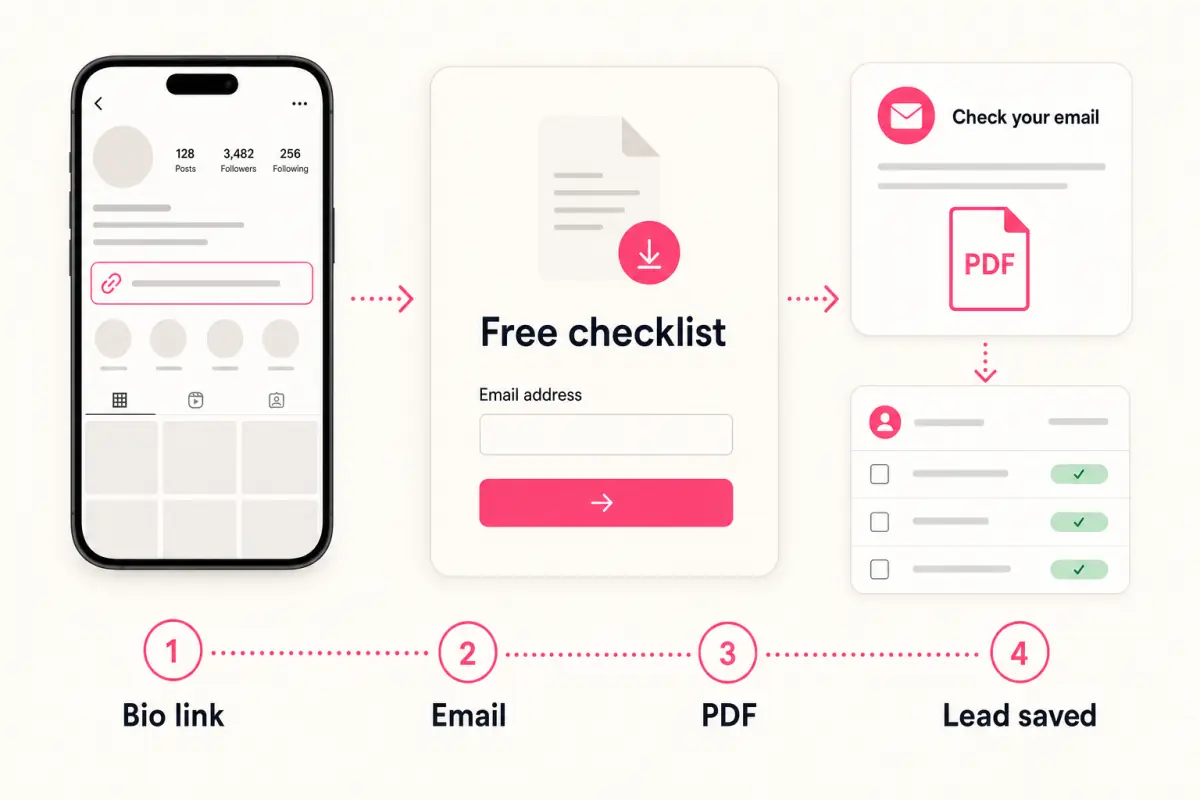
- Givloh lets the business gate the timeline behind an email, deliver it automatically, and follow up based on the service the person is planning.
Use timelines when the buying process feels unclear
Many service enquiries stall because the prospect does not know what happens next. A homeowner planning building work, a business preparing a website project, or a family arranging care may all need a simple sequence before they feel ready to ask for a quote.
A project timeline gives that sequence without forcing an immediate sales call. It helps the prospect understand the stages, the decisions they need to make, and what information the business will ask for later.
For a related planning format, see how to turn a service comparison guide into a lead magnet.
Good timeline lead magnet topics
- What happens before a site visit.
- How a consultation moves from brief to quote.
- What a customer should prepare before a project starts.
- Which decisions usually slow the work down.
- What follow-up information the business needs after the first call.
Keep the promise measured
The page should not promise exact turnaround times unless the business can consistently honour them. A timeline lead magnet is safest when it explains order and preparation, not guaranteed completion dates.
Use language like 'typical stages', 'common preparation steps', and 'questions to answer before the first conversation'. That keeps the resource useful while avoiding overpromising.
If the business already has a pricing resource, connect the timeline to it. A prospect who understands both the process and the cost drivers is usually easier to qualify.
The timeline should reduce uncertainty, not create a promise the business cannot control.
Givloh editorial note
Build the resource around decisions
A weak timeline only lists steps. A stronger one explains what the prospect needs to decide at each stage. That might include budget, scope, access, measurements, paperwork, approvals, deadline pressure, or whether the project needs a specialist assessment.
This turns the download into a useful pre-qualification tool. The person gets clarity, and the business gets a lead who already understands the shape of the work.
For another preparation-led format, compare how to turn a consultation questionnaire into a lead magnet.
Simple project timeline structure
- Name the service and the type of prospect the timeline is for.
- List the main stages from first enquiry to next action.
- Add the decision or information needed at each stage.
- Explain which delays the prospect can prevent.
- End with a clear next step tied to the service.
Share one version first
Do not create a timeline for every service at once. Start with the service that creates the most confusion or the highest-value enquiries.
A builder might offer a renovation timeline. A consultant might offer a discovery-to-proposal timeline. A web designer might offer a website project timeline. The format is the same, but the examples should match the service.
With Givloh, the business can publish the timeline as one resource page, collect the email before delivery, and then follow up with a question about the project stage.
Useful follow-up questions
- Which stage are you at now?
- What decision is holding the project up?
- Do you already have the required documents, measurements, or brief?
- Is there a deadline the business should know about?
- Would a quote, consultation, or site visit be the right next step?
Use this as the starting checklist
- Choose one service where prospects need process clarity.
- Explain stages and decisions without promising fixed dates.
- Keep the resource practical enough to use before a call.
- Gate the timeline behind email capture and deliver it automatically.
- Follow up by asking which stage the prospect is in now.
References and useful next reading
Givloh
Turn the resource into a lead capture page.
Upload a guide, checklist, template, or tool. Share one link. Capture the email before the download. No Mailchimp, Zapier, Drive permissions, or landing page builder.
Try Givloh freeFAQ
Can a project timeline work as a lead magnet?
Yes. A project timeline works well when prospects need to understand the steps, decisions, and preparation tasks before they are ready to enquire.
Should the timeline include exact dates?
Only include exact dates if the business can reliably deliver them. Most service businesses should explain stages and preparation steps instead.
What service businesses can use a timeline lead magnet?
Builders, designers, consultants, agencies, care providers, repair businesses, and professional services can all use timeline resources when their buying process needs explanation.