
Security company lead magnets · 8 min read
Free Security Risk Assessment Checklist for Security Companies
A cautious lead magnet idea for security companies: a practical security risk assessment checklist that turns social interest into qualified enquiries.
- A security risk assessment checklist is a strong first lead magnet for companies that sell guarding, patrols, key holding, CCTV review, or site security advice.
- The checklist should help prospects prepare for a consultation, not promise a complete risk assessment from a download.
- Givloh hosts the checklist, captures the email, delivers the file, and stores the lead in one dashboard.
Offer a preparation tool buyers can use safely
A security buyer may be responding to a recent incident, a new premises, an insurance request, staff concerns, or an upcoming event. They often know something needs attention, but they may not know what information a security company needs first.
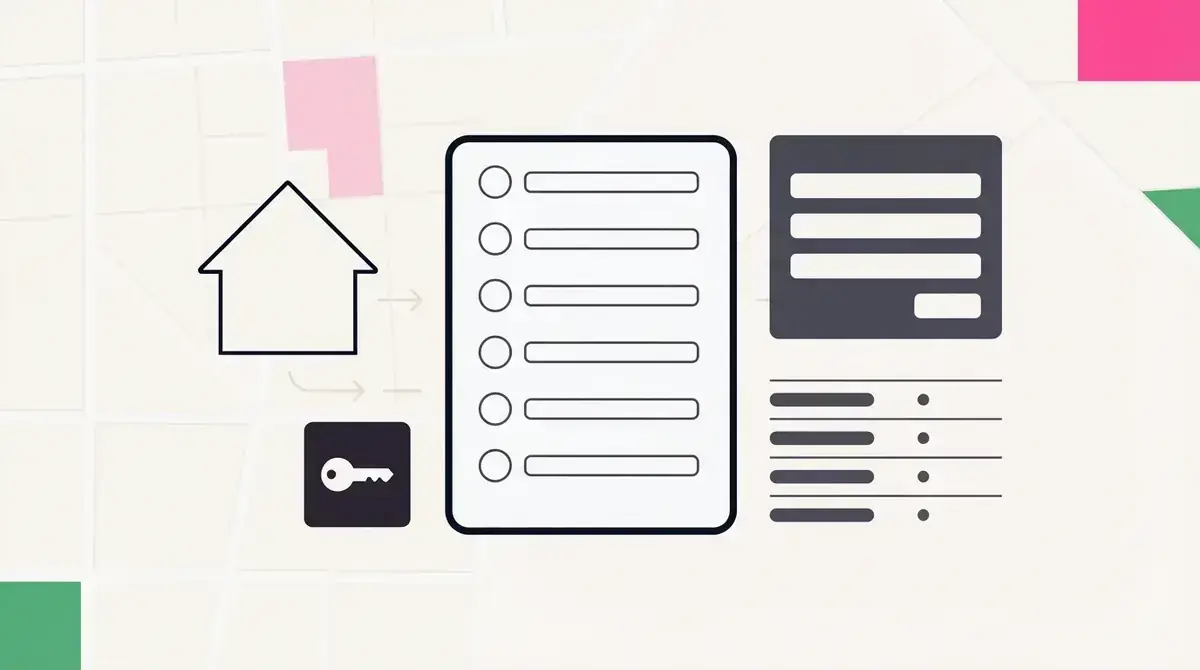
A short risk assessment checklist gives them a useful starting point. It should help them list access points, operating hours, current controls, staff concerns, previous incidents, and the areas they want reviewed.
For the full strategy behind this format, read how to turn a site security assessment into a lead magnet.
Useful checklist modules
- Premises type, opening hours, and high-risk periods.
- Entry points, reception process, deliveries, and visitor control.
- Existing guarding, patrol, alarm, CCTV, and access-control setup.
- Incident history and staff safety concerns.
- Questions for a professional security consultation.
Avoid fear-led marketing
Security marketing can easily become too dramatic. The better resource is calm, practical, and specific. It should help the prospect prepare for a useful conversation without overstating risk or promising that one checklist solves everything.
CISA self-assessment material is useful as a reference point for the idea that a self-assessment can be an initial step rather than an in-depth assessment. The checklist should make that limitation clear.
That restraint is also better for trust. A buyer considering security services wants competence, not panic.
The checklist should make the buyer more prepared, not more frightened.
Givloh editorial note
Use the download as a signal of need
Every download tells the security company that someone is thinking about risk. The follow-up should ask why now. That question is more useful than sending a generic brochure about every service.
If the lead mentions a new building, the next step may be a site walk-through. If they mention staff safety, the conversation may start with procedures and coverage windows. If they mention an event, it may need a short-term plan.
For LinkedIn distribution, use LinkedIn lead magnet strategy for security companies.
Simple follow-up flow
- Send the checklist immediately after email capture.
- Ask what prompted the security review.
- Offer to help turn the answers into a consultation brief.
- Route serious enquiries to a site visit or discovery call.
- Track which checklist topics lead to qualified conversations.
Publish one checklist before adding more offers
Security companies can build many resources later: event security prep, office access checklist, retail loss-prevention questions, warehouse security review, or key-holding handover notes. The first version should stay broad enough to validate demand.
Givloh keeps the first test simple. One resource page, one email gate, one file delivery step, and one list of leads. That is enough to see whether social or LinkedIn attention is turning into useful enquiries.
For a tool comparison, see security consultation form vs Givloh for lead magnets.
First-page restraint
- Do not ask for every site detail before delivering the checklist.
- Do not publish confidential security procedures.
- Do not promise compliance or total risk removal.
- Do not send the visitor to an untracked PDF link.
- Do measure downloads, replies, and consultation requests together.
Use this as the starting checklist
- Create a practical security risk assessment checklist for non-specialist buyers.
- Make the limits clear and invite a professional consultation.
- Use calm language instead of fear-led claims.
- Publish the checklist through Givloh and capture the email before delivery.
- Follow up by asking what triggered the security review.
References and useful next reading
Givloh
Turn the resource into a lead capture page.
Upload a guide, checklist, template, or tool. Share one link. Capture the email before the download. No Mailchimp, Zapier, Drive permissions, or landing page builder.
Try Givloh freeFAQ
What is a good lead magnet for a security company?
A practical security risk assessment checklist is a strong first option because it helps buyers prepare for a consultation.
Should the checklist replace a professional assessment?
No. It should be framed as a preparation tool and first step, not as a complete professional risk assessment.
How should a security company promote the checklist?
Share one practical question from the checklist at a time, then send people to an email-gated Givloh page for the full resource.